The Lebenmaster Blog
Essays on productivity systems, deep work, habit design, and the psychology of getting hard things done.
Search

Meta Search vs Own Index: The Hidden Battle for Your Search Results
Most search engines don't crawl the web—they recycle results from bigger players. Independent indexes like Parsek operate differently. Here's why it matters.
Why Spanish-Language Search Results Are Worse Than English
Spanish-language search results often fail to match the quality of their English counterparts. This article examines the technical and cultural reasons behind this gap and what it means for Spanish speakers.
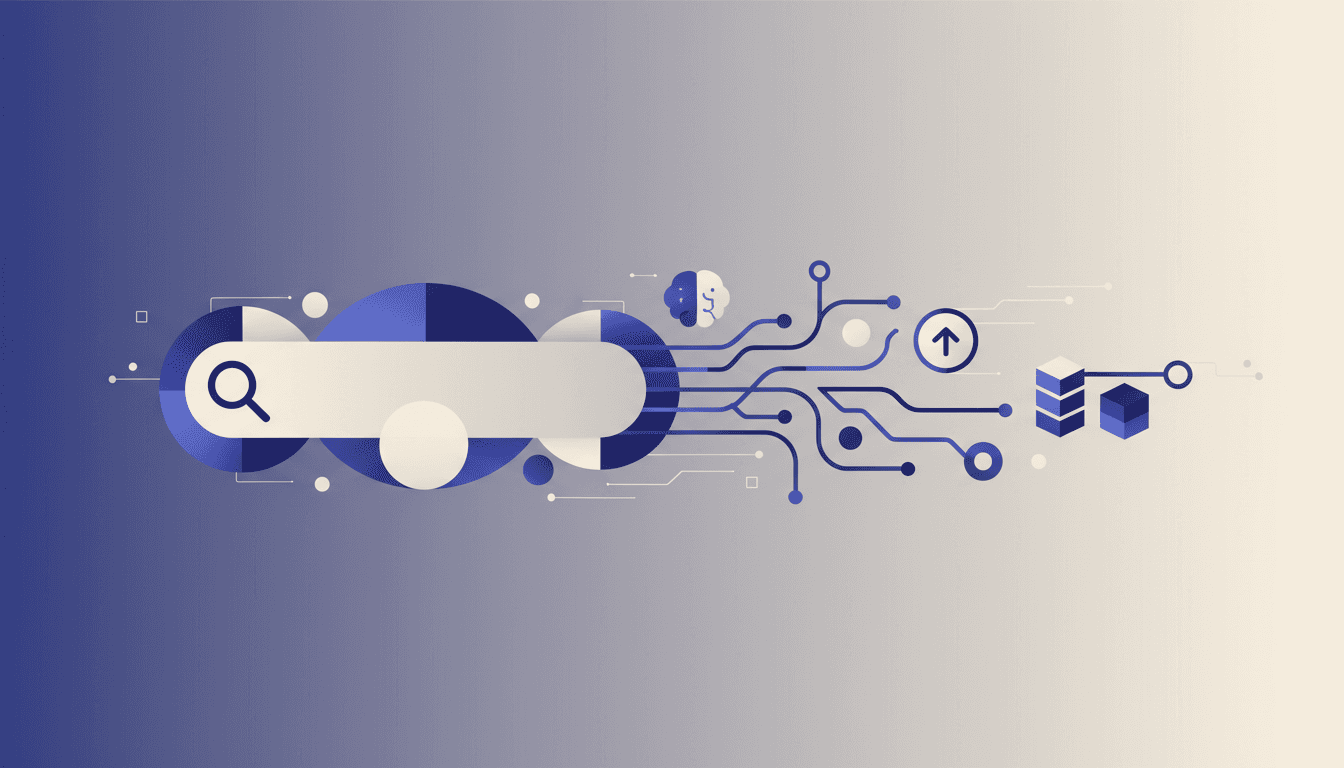
Beyond Google Ads: Independent Search Engines Worth Trying
Google's first page is often cluttered with ads and SEO-optimized spam. Discover independent search engines that run their own index and deliver cleaner, more focused results.
When Google Fails: Search Engines That Actually Respect Your Time
The first page of Google is now a wasteland of ads and SEO-optimized listicles. Here are search engines that still prioritize information over advertising revenue.
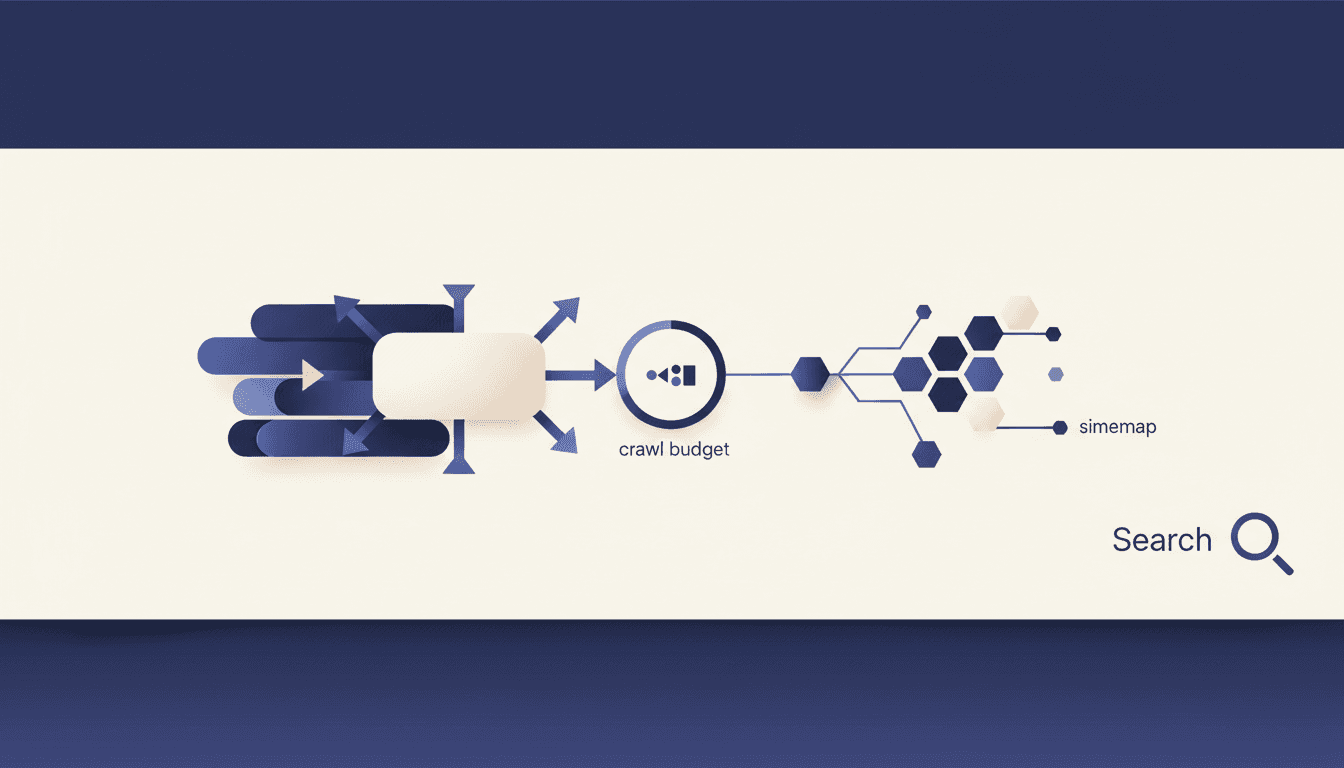
Robots.txt, Sitemaps and Crawl Budgets Explained in Plain Language
Robots.txt, sitemaps, and crawl budgets are fundamental to how search engines interact with websites. This guide explains these concepts in simple terms, helping you optimize your site for better indexing and visibility.
Why Your Search Results Are Identical: Escaping the Filter Bubble
Modern search engines share crawlers, indexes, and ranking signals—creating identical results. The fix requires abandoning the centralized web.
How to Find Independent Blogs Buried by Big Search Engines
Mainstream search engines prioritize commercial sites and SEO-optimized content. Here's how to access the small web's best independent blogs and resources.
Independent Search Engines in 2026: Who Actually Runs Their Own Index?
In 2026, independent search engines are on the rise, but few actually run their own index. Here’s why owning the index is critical for true independence.
Why the Open Web Needs More Than Two Search Indexes
Google and Bing control nearly all search traffic, creating a duopoly that stifles innovation. Independent indexes like Parsek are critical for maintaining a healthy, diverse open web.
The Hidden Workflow of Web Crawlers: What They Actually Do All Day
Web crawlers are the unsung workers of search, constantly discovering and indexing pages. This breakdown reveals their daily workflow, decision algorithms, and why crawling is harder than it looks.
Focus
The Dopamine Detox Lie: What Neuroscience Says About Real Attention Resets
The viral dopamine detox trend misunderstands how attention works. Real focus restoration requires strategic depletion, not arbitrary deprivation. Neuroscience shows a better path.
App Jailing: How to Block iPhone Apps Without Deleting Them
Blocking distracting apps on your iPhone doesn’t require deletion. Use Screen Time hacks and third-party tools to jail apps without losing access permanently.
The Dopamine Detox Myth: What Actually Resets Your Attention
Dopamine detoxes are trending, but they lack scientific backing. Discover the real neuroscience behind attention reset and actionable strategies to reclaim your focus.

The 90-Minute Work Cycle: How Ultradian Rhythms Dictate Peak Focus
Your brain operates in 90-minute ultradian cycles. Fighting this rhythm with arbitrary timers like Pomodoro sabotages deep work. Here's the science-backed alternative.
Information Diet: Why Fewer Sources Lead to Sharper Thinking
Most knowledge workers consume 12x more information than they can process. This is how to deliberately limit sources and train your brain to ask better questions.
Information Diet: How to Cut Sources and Ask Better Questions
Information overload is crippling productivity. This article explains how to curate an effective information diet by reducing sources and asking better questions to regain focus.
Ultradian Work Cycles: Why 90 Minutes Is the Minimum Viable Focus Unit
The human brain operates in natural 90-minute ultradian cycles. Shorter focus blocks force context switching during peak concentration states.
Dopamine Detox Debunked: The Neuroscience of Real Attention Resets
Dopamine detoxing promises an attention reset but misunderstands brain chemistry. Real cognitive restoration requires deliberate protocols, not deprivation.
App Blocking Without Deletion: The iPhone Screen Time Workaround
Discover a strategic approach to blocking apps on iPhone without deletion using Screen Time. Transform your focus and reduce distractions with this practical guide.
Debunking Dopamine Detox: The Neuroscience of Real Attention Resets
The viral 'dopamine detox' trend misunderstands neurochemistry. Real attention reset requires strategic engagement, not abstinence. Here's what works.
App Jailing: How to Restrict iPhone Apps Without Deleting Them
The real productivity hack isn't deleting apps—it's creating friction. Here's how to jail your most distracting iPhone apps without losing access to their utility.
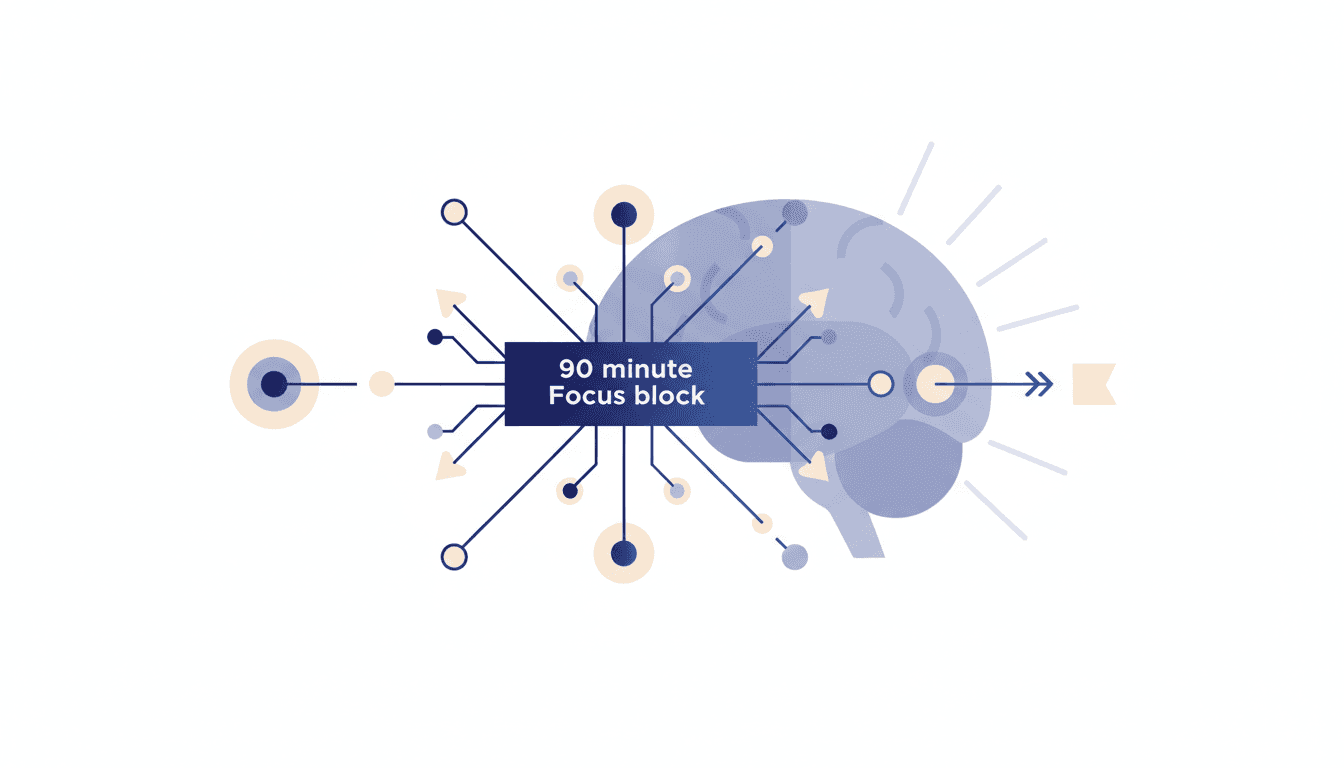
90-Minute Focus Blocks: The Neuroscience Behind Peak Performance
Your brain operates in 90-minute ultradian cycles. Aligning your focus sessions with this biological rhythm unlocks 3x deeper concentration than arbitrary time blocks.
App Blocking Hacks for iPhone: Restrict Access Without Deleting
Want to block distracting apps on iPhone without deleting them? Discover practical hacks using Screen Time, Focus Modes, and third-party tools to restrict access and boost focus.
Ultradian Rhythms: Why 90-Minute Focus Blocks Beat the Pomodoro
Ultradian rhythms govern our energy cycles, with 90-minute focus blocks aligning perfectly with peak mental performance. Learn why this beats shorter methods like Pomodoro.
The Strategic App Blacklist: Block iPhone Apps Without Willpower
Most app blocking guides miss the point: deletion is overkill, willpower is unreliable. Here's how to engineer strategic friction for your worst offenders.
Screen Time Tracking Is a Distraction: Focus on Cognitive Load Instead
Tracking screen time obsessively is like counting calories without considering nutritional value. The real metric that matters is cognitive load dispersion.
Research
How to Search for Technical Answers Faster Than Asking a Chatbot
Chatbots are slow for technical debugging. This guide shows you how to search smarter, using advanced techniques and independent tools like Parsek to get precise answers fast.
Five-Minute Fact-Checking Protocol: Verify Claims Before You Repeat Them
Misinformation spreads faster than ever. This five-minute fact-checking protocol helps you verify claims online with a structured approach to source checking and fact verification.
Founder Playbook
Founder OS: The Workflow Behind Scaling to $10K MRR
Scaling to $10K MRR as a solo founder requires more than just a good product. It demands a Founder OS—a workflow optimized for efficiency, focus, and relentless execution. Here’s how to build it.
Founder OS: The Bare Minimum Stack for $10K MRR
Most founder workflows are cargo-culted from scaled startups. Here's what actually moves the needle for solo founders at $10K MRR and beyond.
Reading the Web on Purpose: A Weekly Routine for Founders
The web is a firehose of information, but founders need focus. This tactical guide shows how to build a weekly reading routine that cuts through noise and drives decisions.
Solo Founder Time Management: The Four Modes of a Founder's Week
Solo founders juggle multiple roles daily. To thrive, you must master four distinct modes of time management: execution, strategy, learning, and recovery. Here’s how to allocate your week effectively.
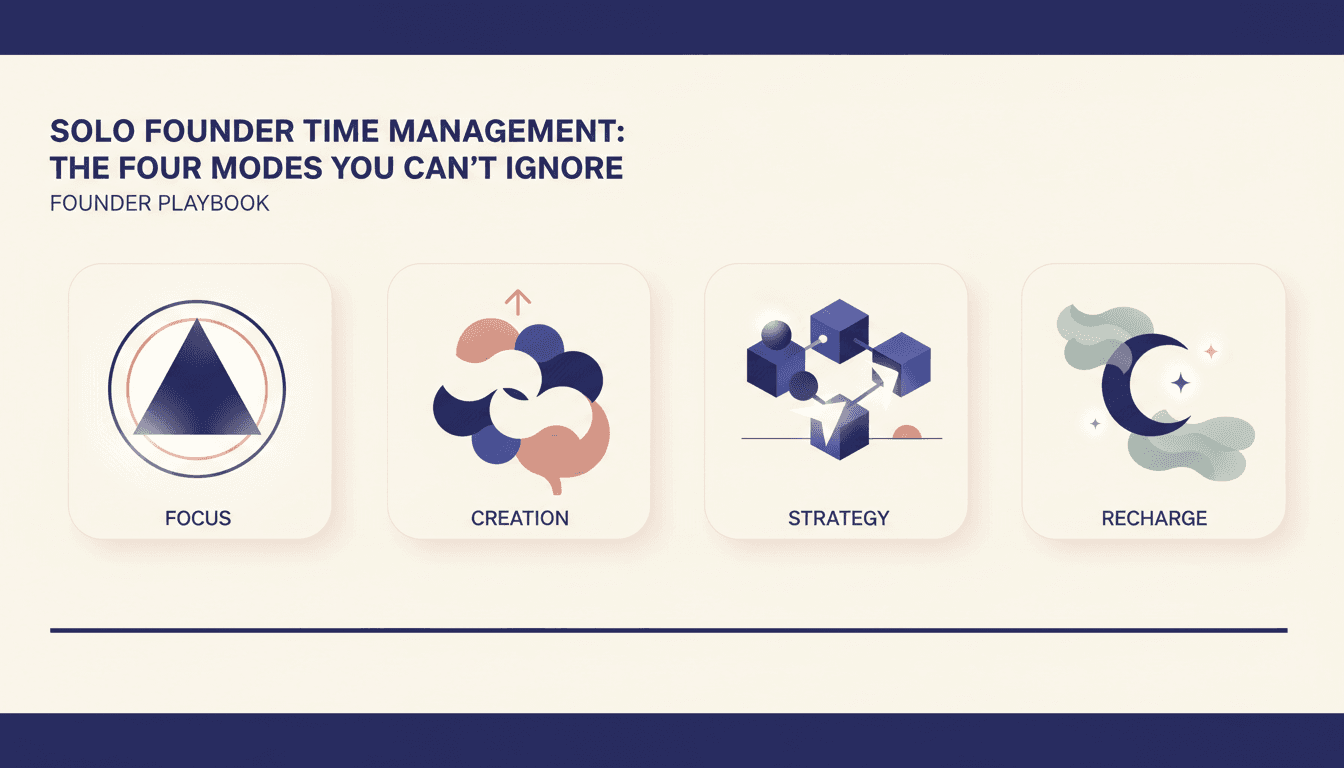
Solo Founder Time Management: The Four Modes You Can't Ignore
Founders who treat all time as equal burn out or stall. Research shows separating these four modes doubles output within weeks.
Founder OS: The Bare Metal Workflow Behind $10K MRR Products
The $10K MRR milestone reveals a pattern: founders who hit it consistently run a stripped-down, intentional operating system. Here's what stays and what gets cut.
The 2026 Productivity Stack: Tools Every Solo Founder Needs
By 2026, solo founders need a lean, integrated productivity stack that automates routine tasks, reduces decision fatigue, and maximizes deep work. Here's what's essential.
Founder OS: The Hidden Workflow Behind Scaling to $10K MRR Solo
The difference between struggling at $2K MRR and thriving at $10K isn't just tactics—it's your operating system. Here's how elite solo founders rebuild theirs.
Systems

Task Tracker Showdown: Notion Flexibility vs Todoist Speed vs Lebenmaster Focus
Notion offers customization at the cost of friction, Todoist optimizes for speed but lacks depth, while Lebenmaster enforces the focus constraints that actually produce results.
Second Brain Minimums: The PKM Stack That Doesn't Become Work
Most personal knowledge management systems fail because they become ends in themselves. Here's how to build a second brain that serves your work instead of replacing it.
Your Brain Has a Bottleneck: Applying Goldratt’s Theory to Personal Output
Manufacturing plants use Theory of Constraints to identify bottlenecks. Your brain works the same way. The constraint isn’t time—it’s your cognitive pipeline.
Second Brain or Second Job? The Minimum Viable PKM Stack
Personal knowledge management shouldn't require daily maintenance. This is the leanest system that captures ideas without becoming unpaid administrative work.
Eisenhower Matrix vs Ivy Lee Method: The Truth About Task Prioritization
The Eisenhower Matrix promises strategic prioritization, while the Ivy Lee Method focuses on daily execution. But which method actually moves the needle for founders and knowledge workers?
The Second Brain Paradox: How to Use PKM Without Drowning in Notes
Building a second brain should enhance productivity, not create more work. Here’s how to use PKM systems like PARA without drowning in notes or becoming a note-taking addict.

The Second Brain Trap: When Your PKM System Becomes the Work
Personal knowledge management systems often become ends in themselves. Here's how to build a second brain that serves your output rather than replacing it.
Why Productivity Guilt Is a Design Failure, Not a Moral One
Productivity guilt isn’t about your moral worth—it’s a symptom of broken systems. Here’s how to redesign your workflow to eliminate guilt and focus on meaningful output.
Deep Work
Deep Work vs Shallow Work: The Exact Ratio That Predicts Output
Cal Newport’s deep work philosophy is incomplete without the right ratio of focus to maintenance tasks. Here’s the exact balance that predicts measurable output gains.
Search as Deep Work: Why One Good Query Beats Ten Lazy Ones
Most knowledge workers waste hours on inefficient search. The difference between good and bad queries isn't speed—it's cognitive load. Here's how to search like a deep work practitioner.
Time Blocking Like Cal Newport: The Tactical Execution Guide
Cal Newport's time-blocking method is more than a calendar hack—it's a tactical system for deep work. Here's how to execute it flawlessly.
The Pomodoro Technique for Engineers: What Needs to Change
The Pomodoro Technique is popular for general tasks, but engineers need longer focus blocks. Learn why 25 minutes isn’t enough for coding and how to adapt Pomodoro for deep work programming.
The Deep Work Ratio: How to Allocate Focus for Maximum Output
Learn how to optimize your focus allocation between deep and shallow work using Cal Newport's proven ratio for maximum productivity and measurable output gains.
The Pomodoro Technique for Engineers: Why 25 Minutes Is Wrong
The Pomodoro Technique's 25-minute intervals are a productivity bottleneck for engineers. Here's how to adapt focus timers for deep work programming.
Habits
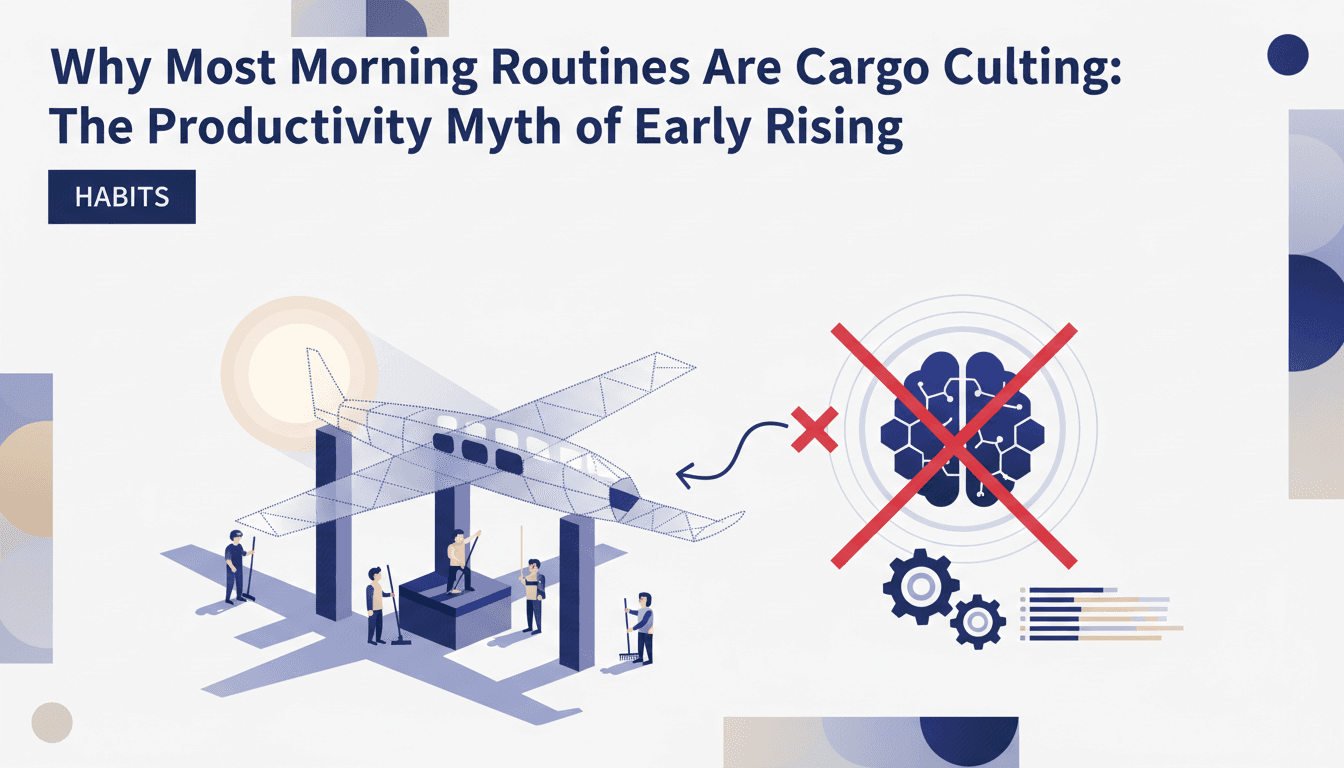
Why Most Morning Routines Are Cargo Culting: The Productivity Myth of Early Rising
Morning routines are often touted as the secret to productivity, but most are just cargo culting. Learn why early rising isn't a universal solution and how to design habits that actually work.
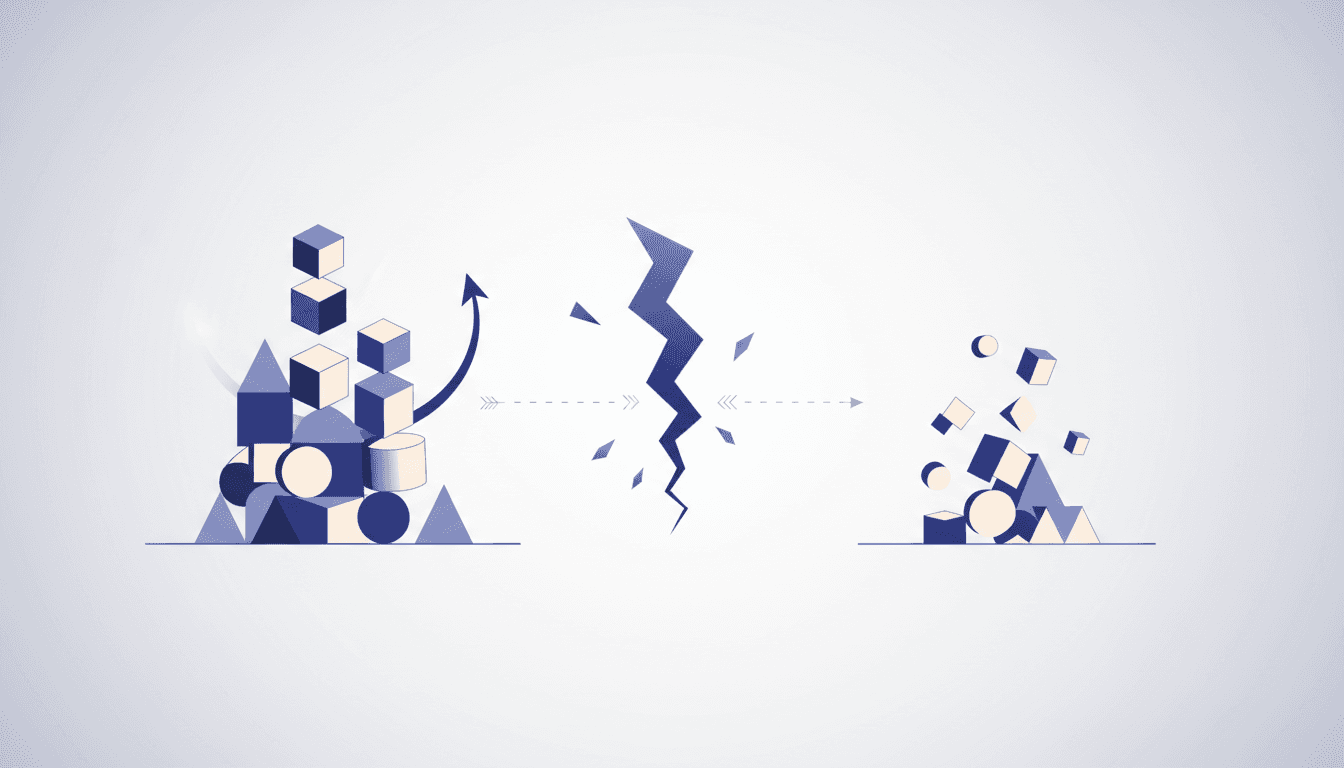
Why Habit Stacking Fails Most People: The Execution Gap in Atomic Habits
James Clear's habit stacking assumes spare cognitive bandwidth. Neuroscience shows why this fails for complex behaviors. A better method exists.
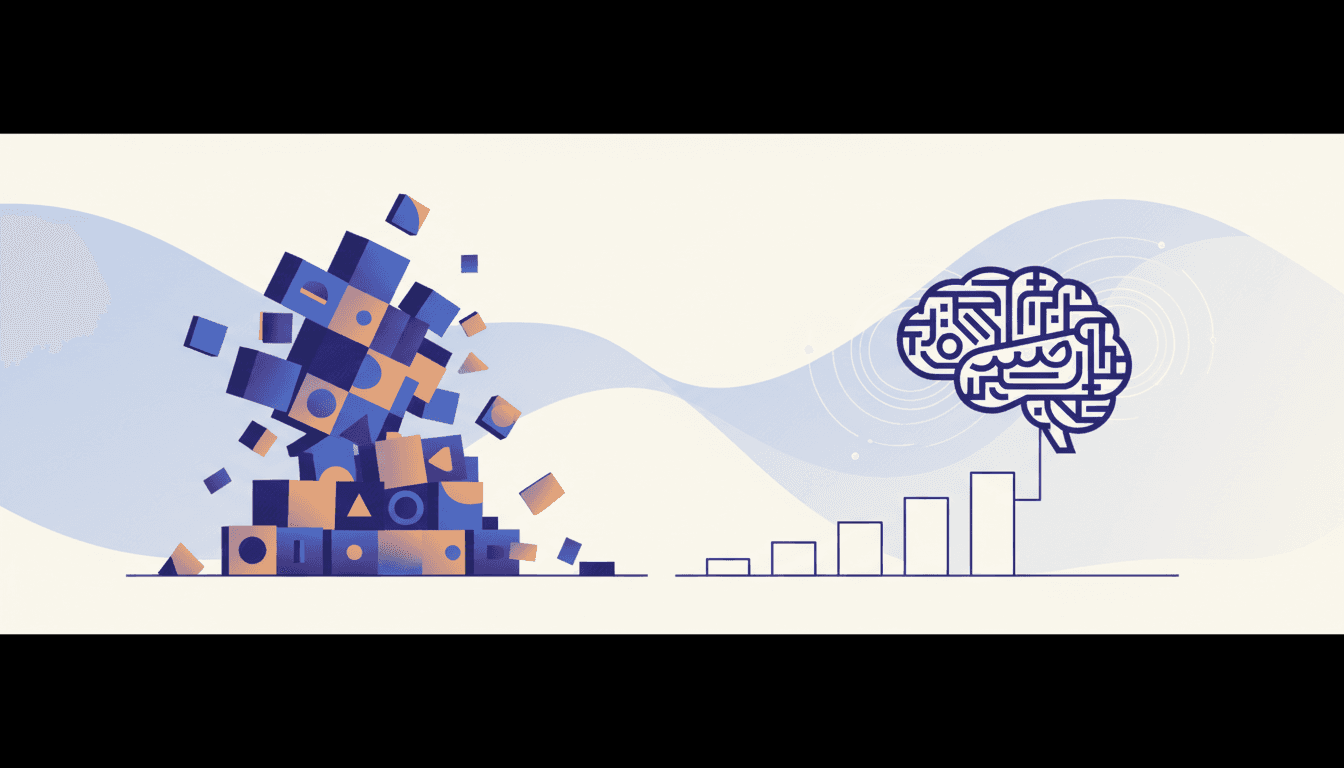
Habit Stacking Is Lying to You: The Cognitive Science of Real Behavior Change
Habit stacking fails because it ignores cognitive load and context dependence. Here's what actually works for engineers and founders.
General

How to Be More Productive: Unlocking Your Full Potential
Discover effective strategies to boost your productivity and achieve your goals. Learn time management techniques, prioritization skills, and tools to unlock your full potential.

The Best Study Software to Boost Your Learning
Explore the best study software tools to enhance your learning experience. From note-taking apps to productivity trackers, find the perfect digital companions for your educational journey.
How to Be a Better Leader: Essential Skills and Tools
Learn how to leverage technology to become a more effective leader. Discover essential software tools that can help you manage teams, streamline communication, and drive organizational success.