The Lebenmaster Blog
Essays on productivity systems, deep work, habit design, and the psychology of getting hard things done.
Focus
App Jailing: How to Block iPhone Apps Without Losing Access
For knowledge workers who need to block time-wasting apps but still want access later, iOS Screen Time offers a jailbreak-free solution most users overlook.
Intentional Search vs Doomscrolling: Two Ways to Use the Same Browser
The same browser can be a tool for deep work or a gateway to distraction. This article explores the difference between intentional search and doomscrolling, offering actionable tips to shift towards purposeful browsing.
How to Block Apps on iPhone Without Deleting Them: A Screen Time Hack
Struggling with app distractions? Discover how to block iPhone apps temporarily without deleting them, using Apple's built-in Screen Time settings for enhanced focus.
Dopamine Detox Debunked: What Neuroscience Says About Real Focus Resets
The dopamine detox trend misunderstands neuroscience. Real attention resets require deliberate protocols, not social media abstinence. Here's what works.
The 90-Minute Focus Block: How Ultradian Rhythms Dictate Peak Performance
Your brain operates in 90-minute ultradian cycles. Ignoring them reduces output by 40%. Here's how to structure deep work sessions that align with your biology.
The Dopamine Detox Lie: What Neuroscience Says About Real Attention Resets
The viral dopamine detox trend misunderstands how attention works. Real focus restoration requires strategic depletion, not arbitrary deprivation. Neuroscience shows a better path.
App Jailing: How to Block iPhone Apps Without Deleting Them
Blocking distracting apps on your iPhone doesn’t require deletion. Use Screen Time hacks and third-party tools to jail apps without losing access permanently.
The Dopamine Detox Myth: What Actually Resets Your Attention
Dopamine detoxes are trending, but they lack scientific backing. Discover the real neuroscience behind attention reset and actionable strategies to reclaim your focus.

The 90-Minute Work Cycle: How Ultradian Rhythms Dictate Peak Focus
Your brain operates in 90-minute ultradian cycles. Fighting this rhythm with arbitrary timers like Pomodoro sabotages deep work. Here's the science-backed alternative.
Information Diet: Why Fewer Sources Lead to Sharper Thinking
Most knowledge workers consume 12x more information than they can process. This is how to deliberately limit sources and train your brain to ask better questions.
Information Diet: How to Cut Sources and Ask Better Questions
Information overload is crippling productivity. This article explains how to curate an effective information diet by reducing sources and asking better questions to regain focus.
Ultradian Work Cycles: Why 90 Minutes Is the Minimum Viable Focus Unit
The human brain operates in natural 90-minute ultradian cycles. Shorter focus blocks force context switching during peak concentration states.
Dopamine Detox Debunked: The Neuroscience of Real Attention Resets
Dopamine detoxing promises an attention reset but misunderstands brain chemistry. Real cognitive restoration requires deliberate protocols, not deprivation.
App Blocking Without Deletion: The iPhone Screen Time Workaround
Discover a strategic approach to blocking apps on iPhone without deletion using Screen Time. Transform your focus and reduce distractions with this practical guide.
Debunking Dopamine Detox: The Neuroscience of Real Attention Resets
The viral 'dopamine detox' trend misunderstands neurochemistry. Real attention reset requires strategic engagement, not abstinence. Here's what works.
App Jailing: How to Restrict iPhone Apps Without Deleting Them
The real productivity hack isn't deleting apps—it's creating friction. Here's how to jail your most distracting iPhone apps without losing access to their utility.
Search
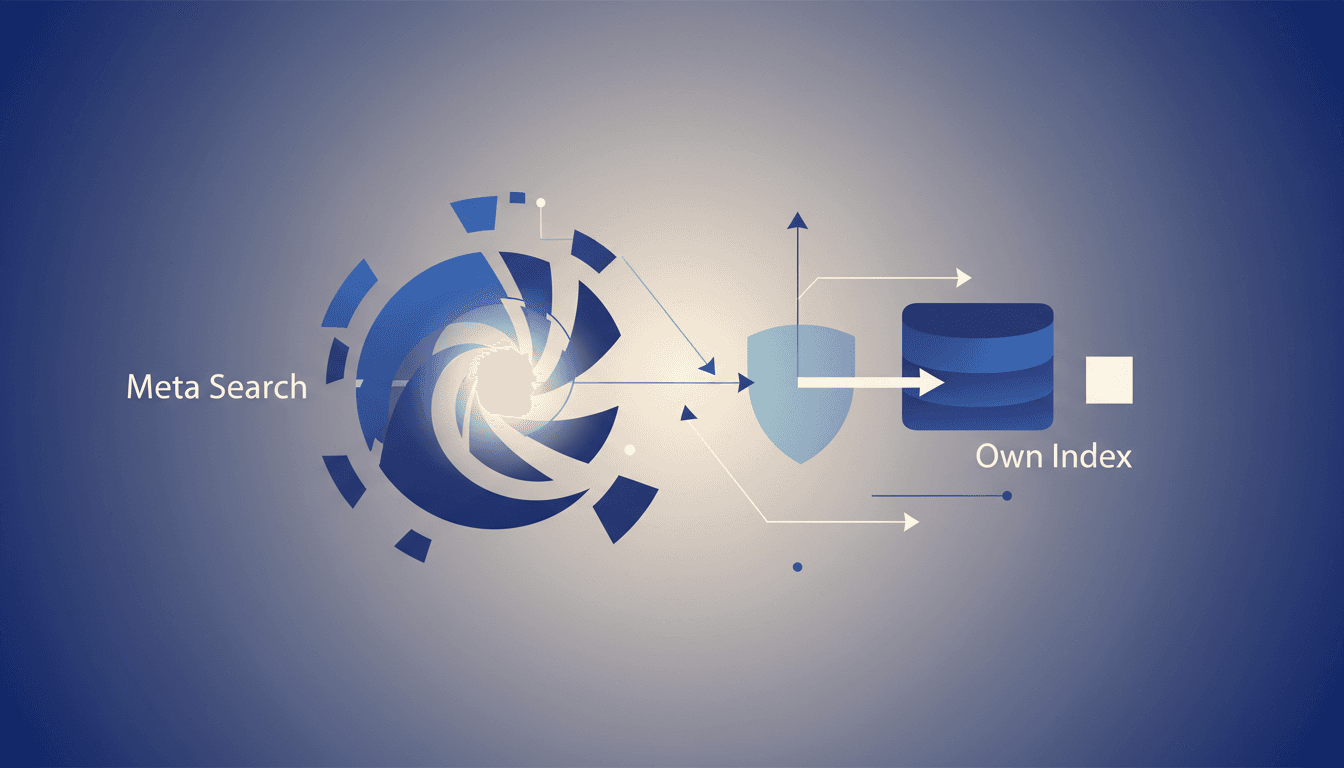
Meta Search vs Own Index: The Hidden Battle for Your Search Results
Meta search engines and own index search engines operate differently under the hood. Learn how these architectures impact your search results and why it matters for finding better answers.
Google Alternatives Worth Trying When the First Page Is All Ads
When Google's first page is dominated by ads, it's time to explore alternatives. Here are search engines that prioritize results over revenue, offering cleaner, more focused experiences.
How to Find Independent Blogs Big Search Engines Bury
Major search engines often bury independent blogs and sites in their results. Here’s how to find hidden gems on the small web and escape the filter bubble.
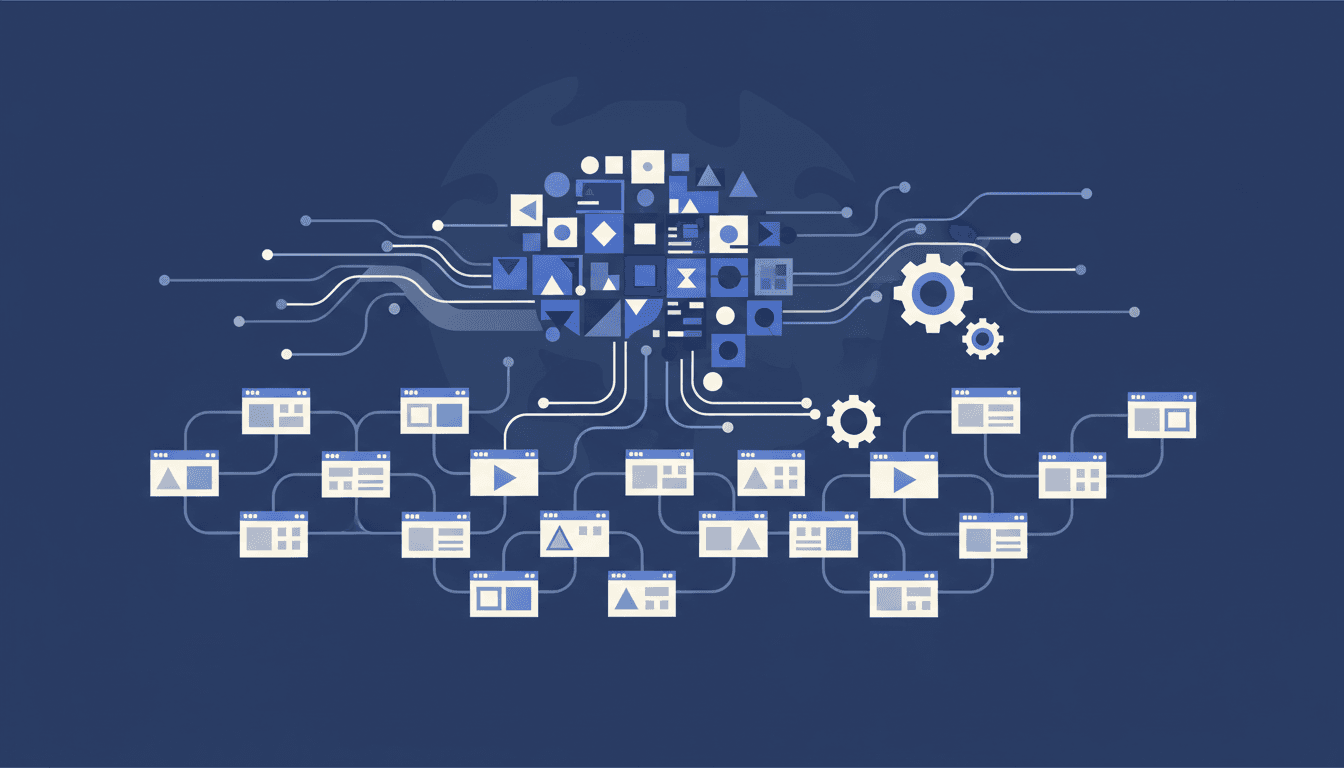
What a Web Crawler Actually Does All Day: The Hidden Workflow
Web crawlers are the unsung heroes of search engines, tirelessly scanning the web to build indexes. This article breaks down their daily workflow, from URL discovery to content parsing, and explains why their efficiency matters.

The State of Independent Search Engines in 2026: Who Runs Their Own Index?
In 2026, the search engine landscape is shifting. Learn which independent players run their own index, escaping Google's shadow and offering real alternatives for better, unbiased search results.
One Developer, One Million Pages: The Real Math of Building a Search Engine
Building a search engine alone isn't about genius—it's about crawling math. Here's what happens when one developer tries to index a million pages without Google's infrastructure.

Meta Search vs Own Index: The Hidden Battle for Your Search Results
Most search engines don't crawl the web—they recycle results from bigger players. Independent indexes like Parsek operate differently. Here's why it matters.
Why Spanish-Language Search Results Are Worse Than English
Spanish-language search results often fail to match the quality of their English counterparts. This article examines the technical and cultural reasons behind this gap and what it means for Spanish speakers.
Beyond Google Ads: Independent Search Engines Worth Trying
Google's first page is often cluttered with ads and SEO-optimized spam. Discover independent search engines that run their own index and deliver cleaner, more focused results.
When Google Fails: Search Engines That Actually Respect Your Time
The first page of Google is now a wasteland of ads and SEO-optimized listicles. Here are search engines that still prioritize information over advertising revenue.
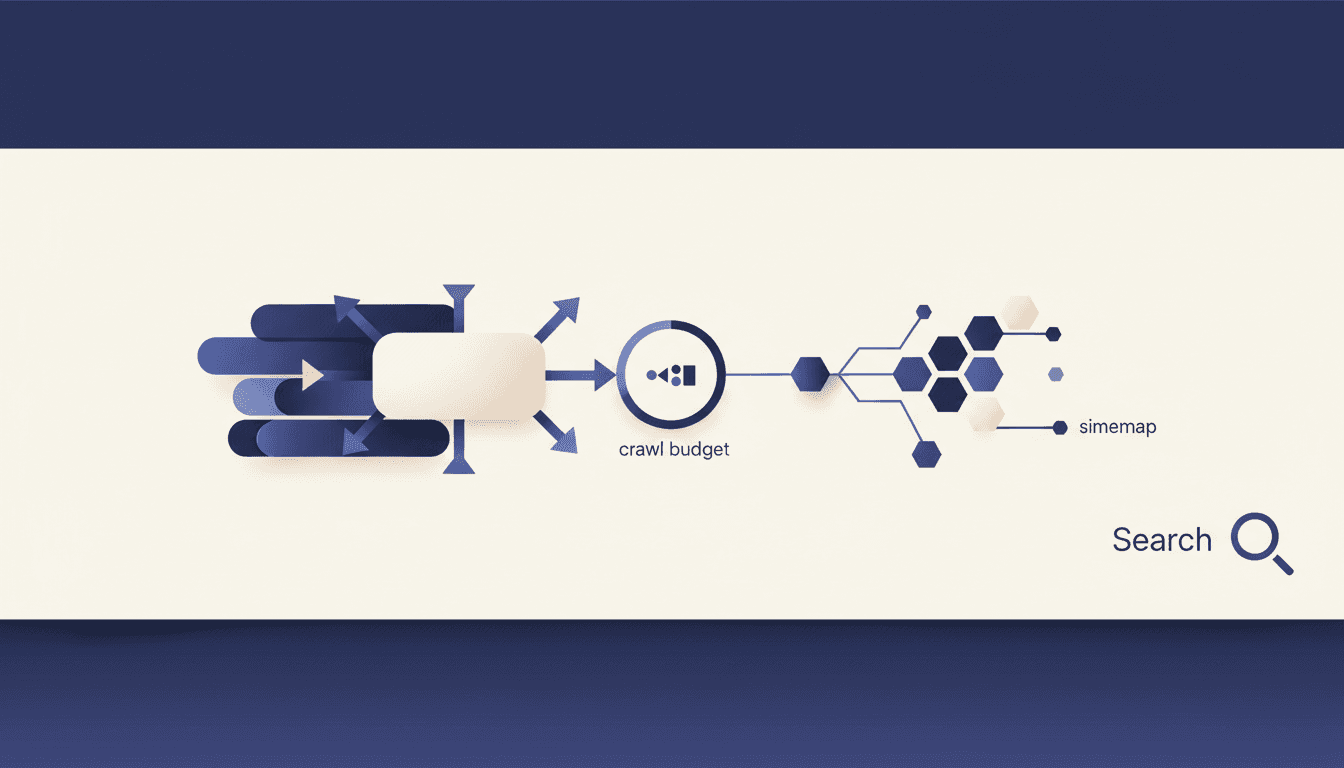
Robots.txt, Sitemaps and Crawl Budgets Explained in Plain Language
Robots.txt, sitemaps, and crawl budgets are fundamental to how search engines interact with websites. This guide explains these concepts in simple terms, helping you optimize your site for better indexing and visibility.
Why Your Search Results Are Identical: Escaping the Filter Bubble
Modern search engines share crawlers, indexes, and ranking signals—creating identical results. The fix requires abandoning the centralized web.
How to Find Independent Blogs Buried by Big Search Engines
Mainstream search engines prioritize commercial sites and SEO-optimized content. Here's how to access the small web's best independent blogs and resources.
Independent Search Engines in 2026: Who Actually Runs Their Own Index?
In 2026, independent search engines are on the rise, but few actually run their own index. Here’s why owning the index is critical for true independence.
Why the Open Web Needs More Than Two Search Indexes
Google and Bing control nearly all search traffic, creating a duopoly that stifles innovation. Independent indexes like Parsek are critical for maintaining a healthy, diverse open web.
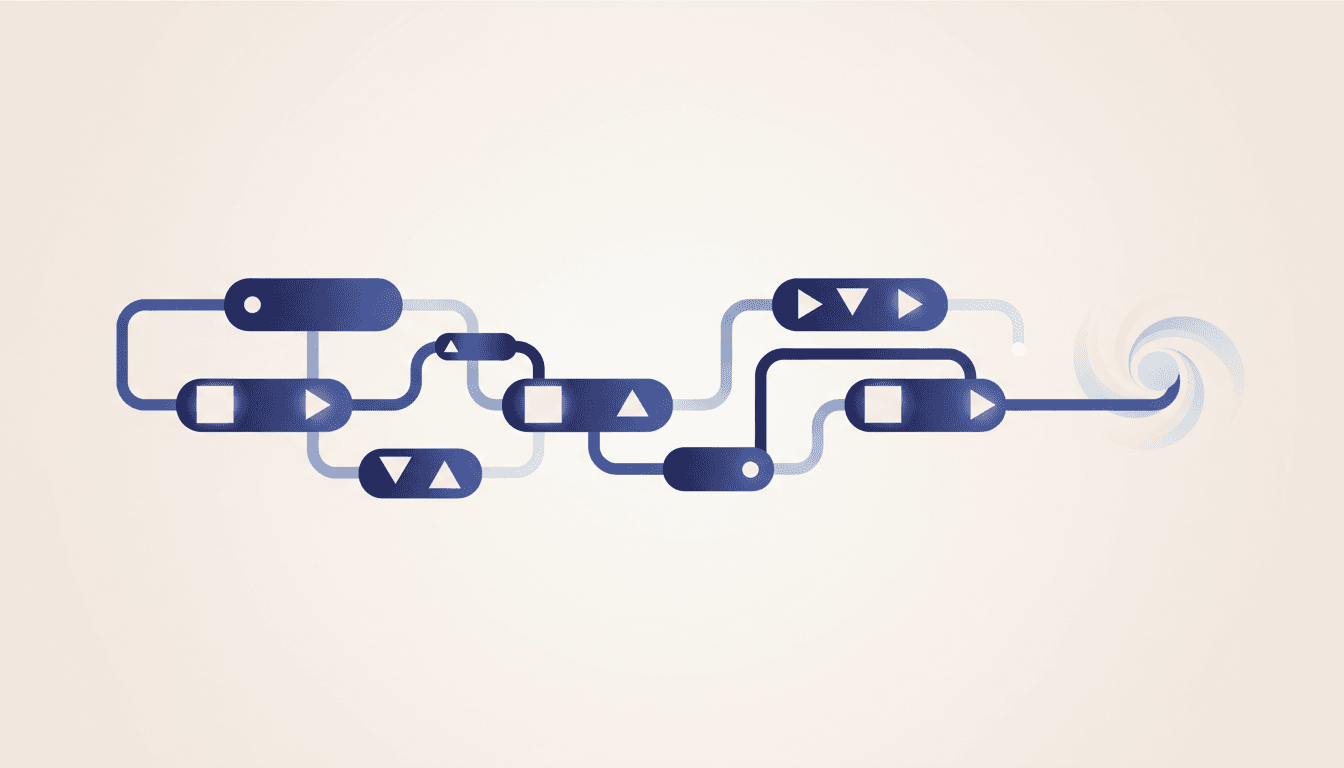
The Hidden Workflow of Web Crawlers: What They Actually Do All Day
Web crawlers are the unsung workers of search, constantly discovering and indexing pages. This breakdown reveals their daily workflow, decision algorithms, and why crawling is harder than it looks.
Founder Playbook
The Solo Founder Productivity Stack That Wins in 2026
In 2026, solo founders need a productivity stack that maximizes focus and minimizes distractions. Here's the essential toolkit for founders who want to win.
Solo Developers Learn More Building Infrastructure the Hard Way
When you build your own search index, database, or crawler as a solo developer, the pain teaches architectural lessons no tutorial can replicate.
Founder OS: The Operating System Behind a $10K MRR Product
Scaling to $10K MRR as a solo founder requires more than just hard work—it demands a Founder OS. This guide breaks down the workflows, tools, and mindset shifts that make it possible.
Founder OS: The Workflow Behind Scaling to $10K MRR
Scaling to $10K MRR as a solo founder requires more than just a good product. It demands a Founder OS—a workflow optimized for efficiency, focus, and relentless execution. Here’s how to build it.
Founder OS: The Bare Minimum Stack for $10K MRR
Most founder workflows are cargo-culted from scaled startups. Here's what actually moves the needle for solo founders at $10K MRR and beyond.
Reading the Web on Purpose: A Weekly Routine for Founders
The web is a firehose of information, but founders need focus. This tactical guide shows how to build a weekly reading routine that cuts through noise and drives decisions.
Solo Founder Time Management: The Four Modes of a Founder's Week
Solo founders juggle multiple roles daily. To thrive, you must master four distinct modes of time management: execution, strategy, learning, and recovery. Here’s how to allocate your week effectively.
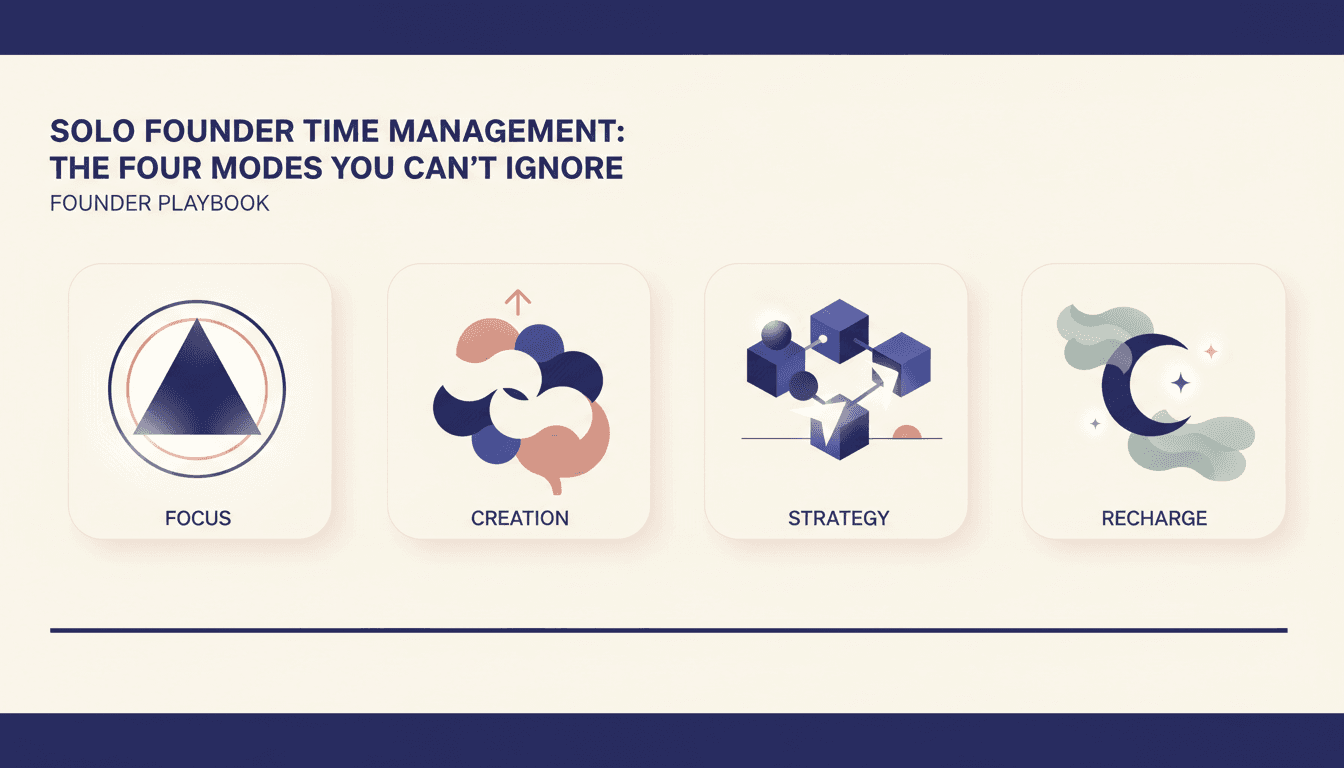
Solo Founder Time Management: The Four Modes You Can't Ignore
Founders who treat all time as equal burn out or stall. Research shows separating these four modes doubles output within weeks.
Deep Work
ADHD Deep Work: The Neuroscience of Focus Without Medication
ADHD brains can achieve deep work—just not the way neurotypical productivity advice suggests. Here's the neuroscience-backed playbook for focus without fighting your wiring.
The Pomodoro Technique for Engineers: What Needs Fixing
The Pomodoro Technique is popular, but its 25-minute intervals don’t align with the deep focus required for engineering. Learn how to adapt it for programming.
Deep Work vs Shallow Work: The Exact Ratio That Predicts Output
Cal Newport’s deep work philosophy is incomplete without the right ratio of focus to maintenance tasks. Here’s the exact balance that predicts measurable output gains.
Search as Deep Work: Why One Good Query Beats Ten Lazy Ones
Most knowledge workers waste hours on inefficient search. The difference between good and bad queries isn't speed—it's cognitive load. Here's how to search like a deep work practitioner.
Time Blocking Like Cal Newport: The Tactical Execution Guide
Cal Newport's time-blocking method is more than a calendar hack—it's a tactical system for deep work. Here's how to execute it flawlessly.
The Pomodoro Technique for Engineers: What Needs to Change
The Pomodoro Technique is popular for general tasks, but engineers need longer focus blocks. Learn why 25 minutes isn’t enough for coding and how to adapt Pomodoro for deep work programming.
Habits
Why Your Morning Routine is Probably Cargo Cult Productivity
The 5 AM club, cold showers, and journaling are often cargo cult productivity—mimicking rituals without the substance. Real morning leverage comes from aligning with chronobiology and cognitive science.
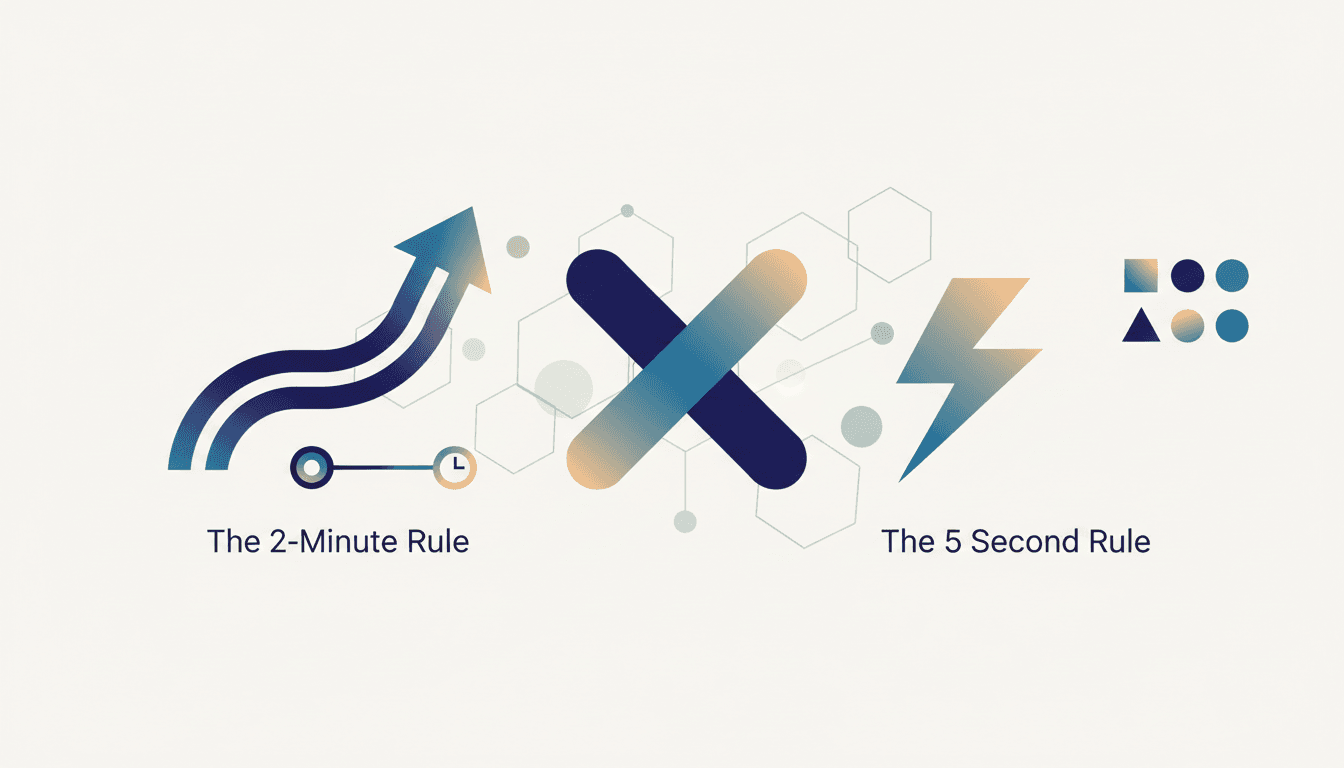
The 2-Minute Rule vs the 5-Second Rule: Which Wins for Getting Started?
Both the 2-minute rule and the 5-second rule promise to help you overcome procrastination. But which one actually works? We review the evidence and reveal the winner for getting started.
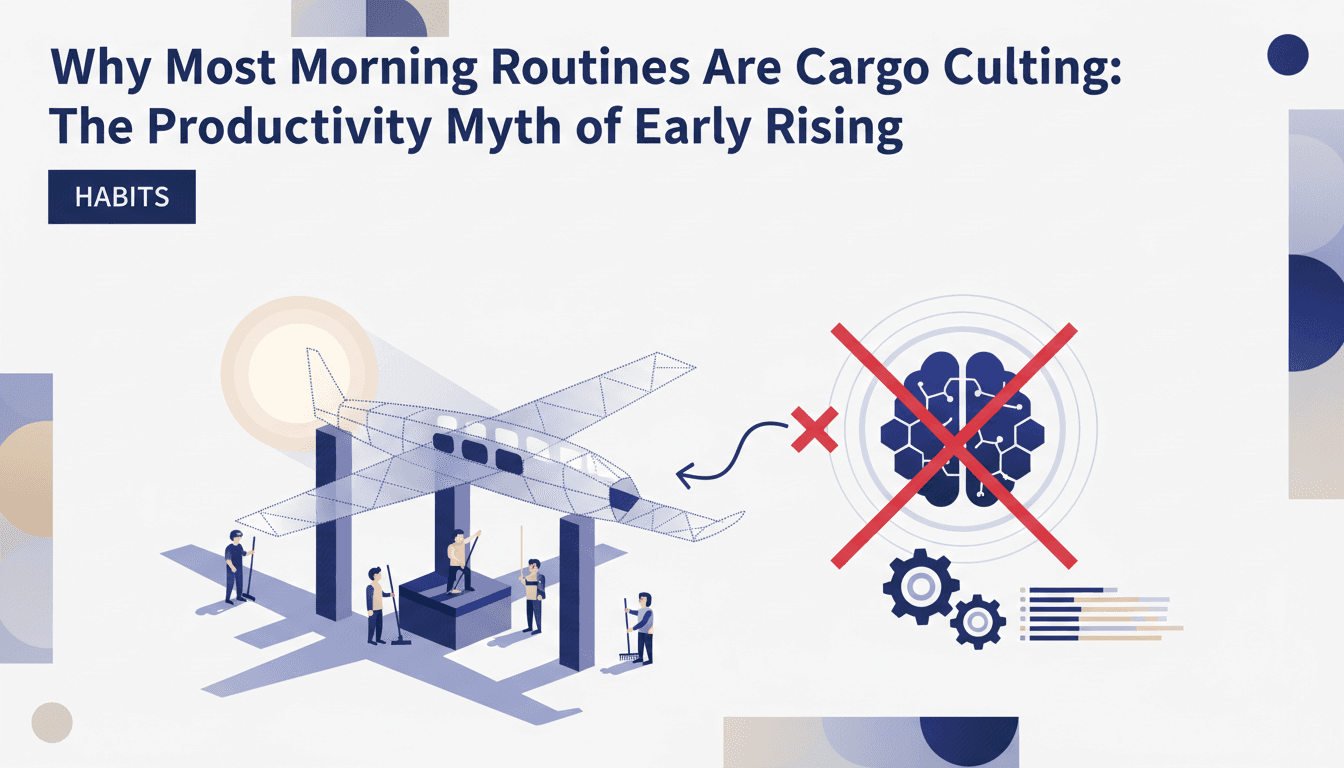
Why Most Morning Routines Are Cargo Culting: The Productivity Myth of Early Rising
Morning routines are often touted as the secret to productivity, but most are just cargo culting. Learn why early rising isn't a universal solution and how to design habits that actually work.
Why Habit Stacking Fails Most People: The Execution Gap in Atomic Habits
James Clear's habit stacking assumes spare cognitive bandwidth. Neuroscience shows why this fails for complex behaviors. A better method exists.
Habit Stacking Is Lying to You: The Cognitive Science of Real Behavior Change
Habit stacking fails because it ignores cognitive load and context dependence. Here's what actually works for engineers and founders.
Systems
Building a Second Brain Without Becoming a Note-Taking Addict
Building a second brain can supercharge your productivity, but it’s easy to fall into the trap of endlessly collecting notes. Here’s how to build a PKM system that delivers actionable outputs, not just digital clutter.

Task Tracker Showdown: Notion Flexibility vs Todoist Speed vs Lebenmaster Focus
Notion offers customization at the cost of friction, Todoist optimizes for speed but lacks depth, while Lebenmaster enforces the focus constraints that actually produce results.
Second Brain Minimums: The PKM Stack That Doesn't Become Work
Most personal knowledge management systems fail because they become ends in themselves. Here's how to build a second brain that serves your work instead of replacing it.
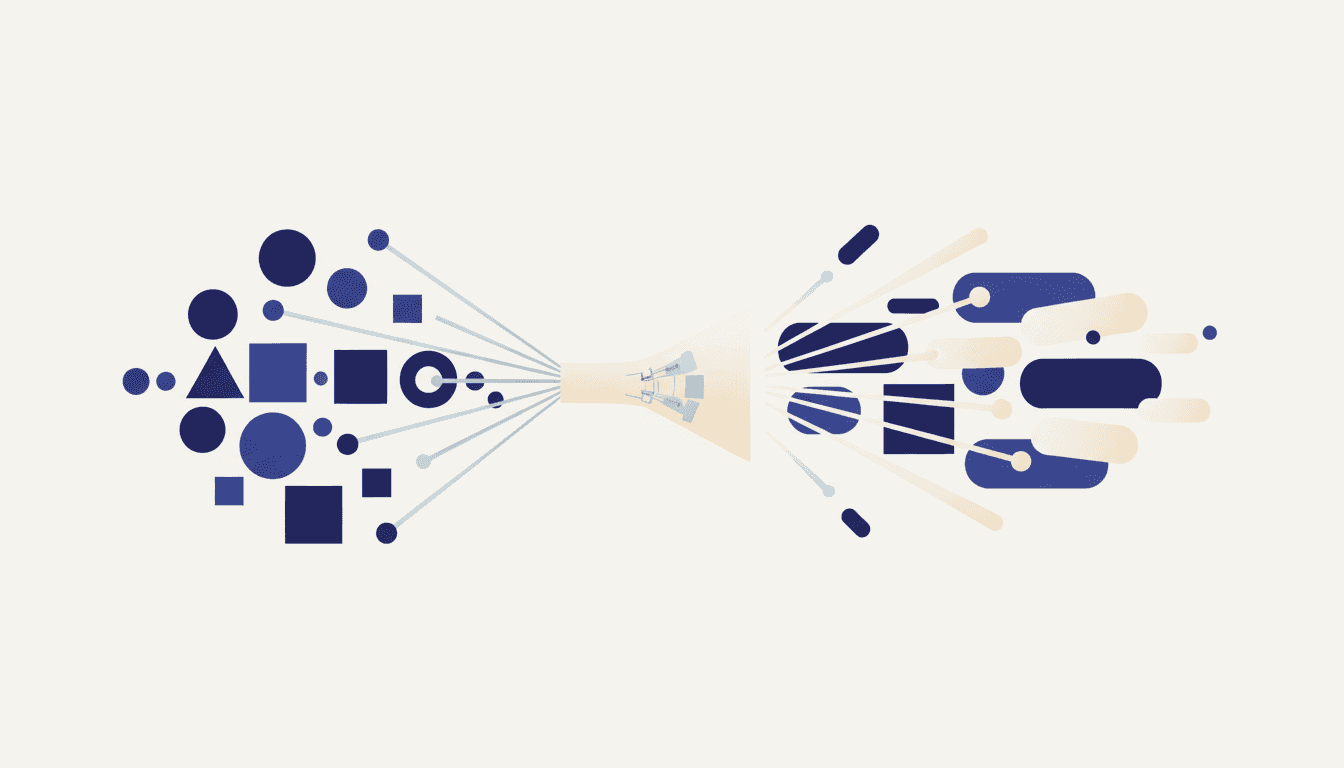
Your Brain Has a Bottleneck: Applying Goldratt’s Theory to Personal Output
Manufacturing plants use Theory of Constraints to identify bottlenecks. Your brain works the same way. The constraint isn’t time—it’s your cognitive pipeline.
Second Brain or Second Job? The Minimum Viable PKM Stack
Personal knowledge management shouldn't require daily maintenance. This is the leanest system that captures ideas without becoming unpaid administrative work.
Research
How Search Operators Save Knowledge Workers an Hour Every Week
Knowledge workers waste hours every week on inefficient searches. Mastering advanced search operators can save you an hour weekly by delivering precise results faster.
How the Best Searchers Always Find Answers: The Hidden Habits
Most people search poorly. The top 1% use structured queries, source verification, and index-awareness to find answers in half the time. Here's how it works.
How to Search for Technical Answers Faster Than Asking a Chatbot
Chatbots are slow for technical debugging. This guide shows you how to search smarter, using advanced techniques and independent tools like Parsek to get precise answers fast.
Five-Minute Fact-Checking Protocol: Verify Claims Before You Repeat Them
Misinformation spreads faster than ever. This five-minute fact-checking protocol helps you verify claims online with a structured approach to source checking and fact verification.
General

How to Be More Productive: Unlocking Your Full Potential
Discover effective strategies to boost your productivity and achieve your goals. Learn time management techniques, prioritization skills, and tools to unlock your full potential.

The Best Study Software to Boost Your Learning
Explore the best study software tools to enhance your learning experience. From note-taking apps to productivity trackers, find the perfect digital companions for your educational journey.
How to Be a Better Leader: Essential Skills and Tools
Learn how to leverage technology to become a more effective leader. Discover essential software tools that can help you manage teams, streamline communication, and drive organizational success.