The Second Brain Paradox: How to Use PKM Without Drowning in Notes
Building a second brain should enhance productivity, not create more work. Here’s how to use PKM systems like PARA without drowning in notes or becoming a note-taking addict.

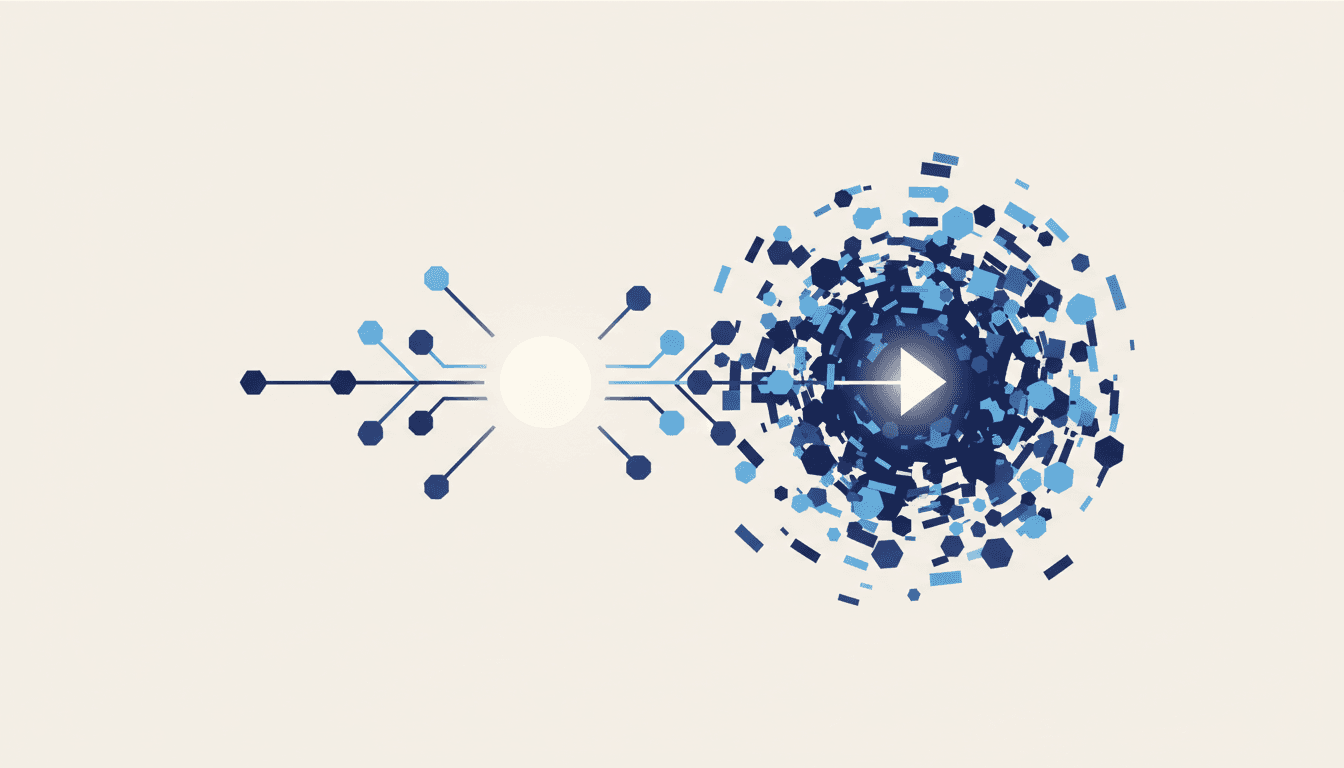
The promise of a second brain is irresistible: a system to capture, organize, and retrieve knowledge effortlessly. Tools like Notion, Obsidian, and Roam have made Personal Knowledge Management (PKM) accessible to everyone. But there’s a trap. Many people spend more time collecting notes than actually using them. Your PKM system shouldn’t become a second job.
Building a second brain is about output, not input. The goal isn’t to amass the largest collection of notes but to create a system that enhances your ability to produce meaningful work. Here’s how to avoid the note-taking addiction and focus on what matters.
The Collection Trap: Why More Notes ≠ More Productivity
The allure of PKM systems often leads to hoarding behavior. You save articles, jot down ideas, and tag everything meticulously. But this creates a paradox: the more you collect, the harder it becomes to find what you need. Research from Microsoft shows that excessive information leads to decision fatigue and reduced productivity.
The problem isn’t the tools—it’s the mindset. PKM systems are designed to augment your thinking, not replace it. If you’re spending more time organizing notes than using them, you’re doing it wrong. Cal Newport’s concept of active knowledge building emphasizes creating systems that directly support your work, not just store information.
PARA: The Minimalist Framework for PKM
Tiago Forte’s PARA framework (Projects, Areas, Resources, Archives) is a game-changer for avoiding note-taking addiction. PARA forces you to categorize notes based on their immediate utility:
- Projects: Active tasks with a deadline.
- Areas: Ongoing responsibilities.
- Resources: Reference material for future use.
- Archives: Inactive or completed items.
The key is to limit your focus to Projects and Areas. Resources and Archives are backups, not active components of your system. If you’re constantly digging through archives, your system isn’t serving you. PARA ensures your second brain aligns with your current priorities, not your curiosity.
The Rule of Three: Capture Less, Retrieve More
Anders Ericsson’s research on deliberate practice highlights the importance of focused effort. The same principle applies to PKM. Instead of capturing every thought, adopt the Rule of Three:
- Capture only what’s actionable.
- Tag notes with context, not just categories.
- Review and prune your system weekly.
This approach keeps your second brain lean and relevant. For example, instead of saving an entire article, capture the one insight that’s most relevant to your current project. Use tools like Lebenmaster to track your note-taking habits and ensure you’re focusing on output, not input.
The Output Test: Is Your Second Brain Working?
A second brain should make you more productive, not just more organized. To test whether your PKM system is working, ask yourself:
- Are you retrieving notes faster than you could find them through a Google search?
- Are your notes helping you complete projects, or are they just sitting there?
- Are you spending less time organizing and more time creating?
If the answer to any of these questions is no, it’s time to recalibrate. Remember, the goal isn’t to build the perfect system—it’s to build one that works for you.
A Tactical Example: Building a Second Brain for a Startup Founder
Imagine you’re a startup founder juggling product development, fundraising, and customer acquisition. Here’s how to build a second brain that actually helps:
- Projects: Create folders for active initiatives like “Product Launch” and “Seed Round.”
- Areas: Organize ongoing responsibilities like “Customer Feedback” and “Team Management.”
- Resources: Save templates and frameworks for fundraising pitches, but don’t revisit them unless needed.
- Archives: Move completed tasks like “Beta Testing” out of sight.
Use your second brain to track progress, not just store information. For example, link customer feedback notes directly to your product roadmap. This ensures your PKM system supports your work, not distracts from it.
Building a second brain is a powerful way to enhance productivity, but only if you avoid the note-taking trap. Focus on output, not input, and use frameworks like PARA to keep your system lean and actionable. Tools like Lebenmaster can help you stay on track by ensuring your PKM system aligns with your goals. Remember, the best second brain is the one you use, not the one you admire. Start building yours today.
A note on product references — Lebenmaster evolves continuously in response to user feedback and market conditions. Features described in this article may already have changed, been renamed, or been deprecated. Availability of specific capabilities depends on your region, subscription tier, and platform. For the current experience, start a free trial.