Founder OS: The Workflow Behind Scaling to $10K MRR
Scaling to $10K MRR as a solo founder requires more than just a good product. It demands a Founder OS—a workflow optimized for efficiency, focus, and relentless execution. Here’s how to build it.

Scaling to $10K MRR as a solo founder is less about luck and more about systemic execution. The difference between founders who hit this milestone and those who don’t often comes down to their Founder OS—the operating system that governs their workflow, habits, and mindset. This isn’t just about tools or tactics; it’s about creating a repeatable, scalable system that maximizes output while minimizing wasted effort.
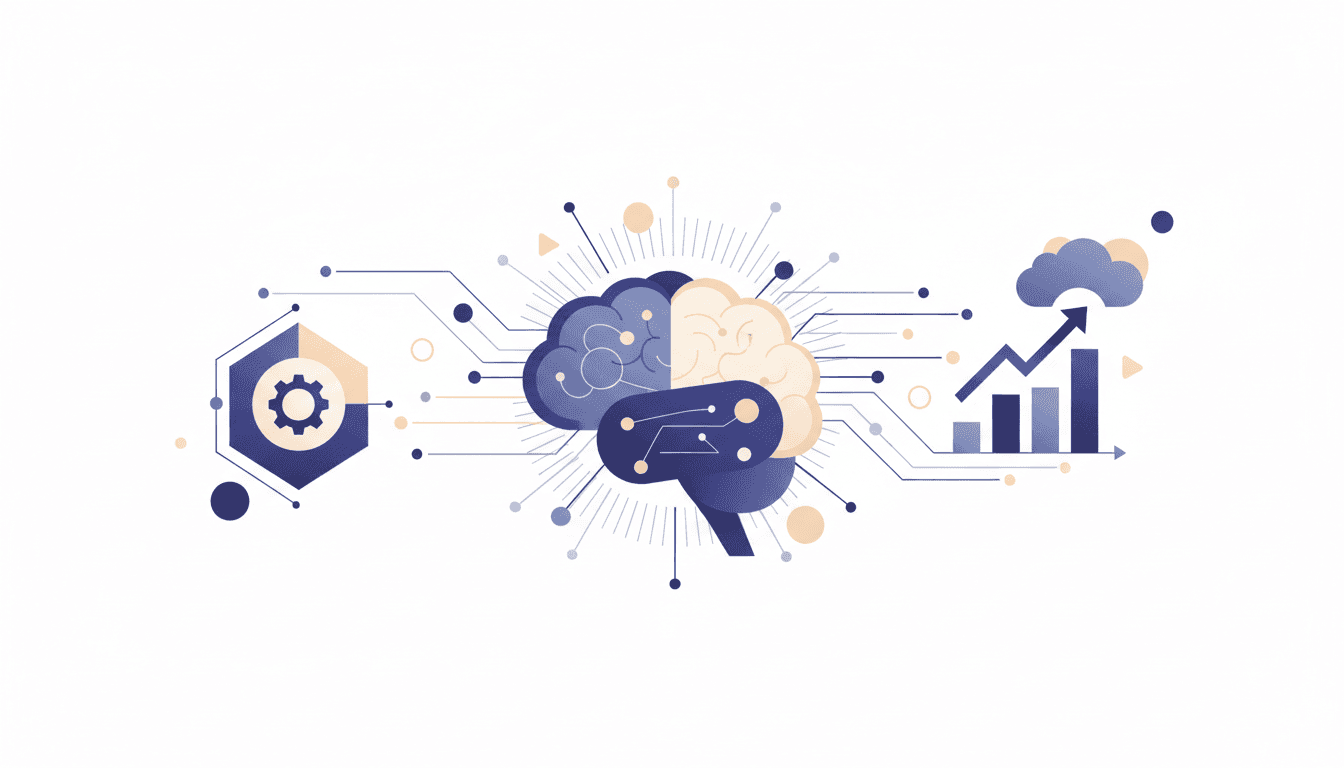
The Founder OS is built on three pillars: habit engineering, tool optimization, and mental frameworks. Each pillar reinforces the others, creating a cohesive workflow that allows solo founders to punch above their weight. Here’s how to build yours.
Habit Engineering: The Foundation of Founder OS
Habits are the atomic units of productivity. Without them, even the best-laid plans fall apart. Anders Ericsson’s research on deliberate practice shows that peak performance isn’t about working harder—it’s about working smarter, with consistent, focused effort over time. For solo founders, this means designing habits that align with your goals and eliminate decision fatigue.
Start with daily deep work blocks. Cal Newport’s concept of deep work emphasizes uninterrupted focus on high-leverage tasks. As a founder, your deep work should revolve around activities that directly impact revenue—coding, marketing, or customer outreach. Aim for at least 90-minute blocks, as research on ultradian rhythms suggests this is the optimal duration for sustained focus.
Next, implement habit stacking to automate repetitive tasks. For example, pair your morning coffee with reviewing your task list or processing customer feedback. This reduces cognitive load and ensures you’re consistently making progress.
Finally, track your habits. Tools like Lebenmaster can help you monitor consistency and identify areas for improvement. Tracking isn’t just about accountability—it’s about creating feedback loops that drive continuous improvement.
Tool Optimization: Build Your Productivity Stack
Your tools are the infrastructure of your Founder OS. But more isn’t always better. The key is to choose tools that reduce friction and amplify your strengths. Here’s the minimalist stack every solo founder needs:
- Task Management: Use a tool like Todoist or Notion for tracking tasks, but keep it simple. Over-complicating your task system creates overhead.
- Time Blocking: Schedule your deep work blocks using Google Calendar or a dedicated app like Clockwise. Time blocking ensures you allocate your most productive hours to high-impact work.
- Automation: Tools like Zapier or Make can automate repetitive tasks, such as sending follow-up emails or updating CRM entries.
- Focus Tools: Use app blockers like Freedom or Cold Turkey to eliminate distractions during deep work sessions.
The goal is to create a toolchain that works seamlessly together. Avoid tool sprawl—every additional tool should solve a specific problem, not create new ones.
Mental Frameworks: The Operating System for Decision-Making
Your mindset determines how effectively you execute your Founder OS. Two frameworks are particularly useful for solo founders: Eisenhower Matrix and Goldratt’s Theory of Constraints.
The Eisenhower Matrix helps you prioritize tasks based on urgency and importance. As a founder, your focus should be on important but not urgent tasks—activities like product development or customer retention that drive long-term growth. Delegate or eliminate tasks that don’t align with your goals.
Goldratt’s Theory of Constraints teaches you to identify and eliminate bottlenecks in your workflow. For example, if customer acquisition is your bottleneck, focus your efforts on marketing and outreach. This framework ensures you’re allocating resources where they’ll have the greatest impact.
Execution: The Missing Link in Founder OS
Many founders fail not because they lack ideas or tools, but because they struggle with execution. Eliyahu Goldratt’s concept of critical chain project management emphasizes the importance of consistent execution over perfect planning. As a founder, your job is to ship consistently, even when conditions aren’t ideal.
One effective tactic is the daily highlight—a single task you commit to completing each day. This could be launching a new feature, writing a blog post, or reaching out to potential customers. By focusing on one high-impact task, you ensure steady progress toward your goals.
Tactical Example: Scaling a SaaS Product to $10K MRR
Let’s say you’re building a SaaS product. Your Founder OS might look like this:
- Morning Routine: Start with a 90-minute deep work block focused on coding new features. Use an app blocker to eliminate distractions.
- Midday: Process customer feedback and respond to support tickets. Use Zapier to automate repetitive tasks, such as sending follow-up emails.
- Afternoon: Spend 60 minutes on marketing—writing blog posts, optimizing ads, or reaching out to potential customers.
- Evening: Review your task list and plan for the next day. Use a habit tracker to monitor consistency and identify areas for improvement.
By following this workflow, you can systematically scale your product to $10K MRR without burning out.
Closing Thoughts
The Founder OS isn’t a one-size-fits-all solution—it’s a customizable workflow that evolves with your business. The key is to start small, iterate quickly, and stay consistent. Tools like Lebenmaster can help you track your progress and refine your habits over time. Ready to build your Founder OS? Start a free Lebenmaster trial and take the first step toward scaling your business.
A note on product references — Lebenmaster evolves continuously in response to user feedback and market conditions. Features described in this article may already have changed, been renamed, or been deprecated. Availability of specific capabilities depends on your region, subscription tier, and platform. For the current experience, start a free trial.