Robots.txt, Sitemaps and Crawl Budgets Explained in Plain Language
Robots.txt, sitemaps, and crawl budgets are fundamental to how search engines interact with websites. This guide explains these concepts in simple terms, helping you optimize your site for better indexing and visibility.


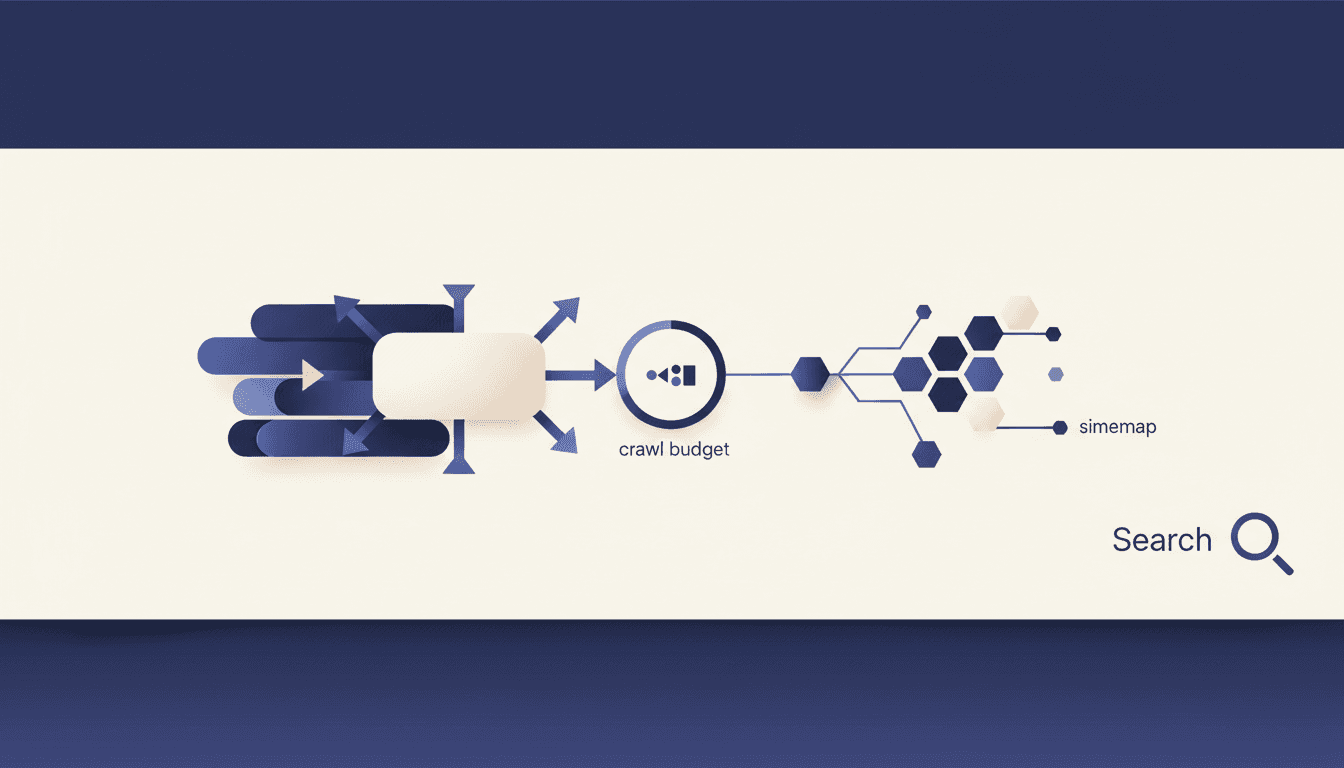
Robots.txt, sitemaps, and crawl budgets are foundational concepts in how search engines interact with websites. If you’ve ever wondered why your site isn’t being indexed properly or why some pages rank while others don’t, these three elements are likely at play. Let’s break them down in plain language, without the jargon.
What is Robots.txt?
The robots.txt file is a simple text file placed in the root directory of a website. It tells web crawlers—the bots that scan the web for search engines—which pages or sections of your site they can or cannot access. Think of it as a "Do Not Enter" sign for specific areas of your website.
For example:
User-agent: *
Disallow: /private/
This tells all crawlers (User-agent: *) to avoid the /private/ directory. It’s useful for keeping sensitive or unfinished pages out of search results. However, robots.txt is not a security measure. Anyone can view it by simply navigating to yourdomain.com/robots.txt.
Search engines like Google and independent engines like Parsek respect the robots.txt file, but they’re not obligated to follow it. If you need to block access securely, use authentication or server-side restrictions instead.
Why Sitemaps Matter
A sitemap is an XML file that lists all the pages on your website, along with metadata like when each page was last updated and how important it is relative to other pages. It’s essentially a roadmap for crawlers, helping them understand your site’s structure and prioritize which pages to index.
Here’s a simplified example:
<?xml version="1.0" encoding="UTF-8"?>
<urlset xmlns="http://www.sitemaps.org/schemas/sitemap/0.9">
  <url>
    <loc>https://example.com/page1</loc>
    <lastmod>2023-10-01</lastmod>
    <priority>0.8</priority>
  </url>
</urlset>
Sitemaps are especially useful for large sites or those with complex navigation. They ensure that important pages aren’t overlooked by crawlers. Submit your sitemap through tools like Google Search Console or directly to other search engines to speed up indexing.
Understanding Crawl Budgets
Crawl budget refers to the number of pages a search engine’s crawler will visit on your site within a given timeframe. It’s determined by factors like your site’s size, update frequency, and server performance. If your site has thousands of pages but a limited crawl budget, some pages may never be indexed.
Here’s how to optimize your crawl budget:
- Remove duplicate content: Crawlers waste time on identical pages.
- Fix broken links: Error pages slow down crawling.
- Prioritize important pages: Use internal linking and sitemaps to highlight key content.
Crawl budget is particularly critical for large e-commerce sites or content-heavy platforms. If your site is small, this may not be a concern, but it’s still worth monitoring.
How These Elements Work Together
Robots.txt, sitemaps, and crawl budgets are interconnected. A well-configured robots.txt file ensures crawlers focus on relevant content, while a detailed sitemap guides them to your most important pages. Together, they help maximize your crawl budget, ensuring your site is indexed efficiently.
For example, if your robots.txt blocks crawlers from accessing /test/, those pages won’t be indexed, even if they’re listed in your sitemap. Similarly, if your crawl budget is limited, prioritizing high-value pages in your sitemap ensures they’re indexed first.
Extended Example: Optimizing a Blog for Indexing
Imagine you run a blog with 500 posts. Some are outdated, while others are evergreen. Here’s how to optimize it:
- Robots.txt: Block crawlers from accessing
/drafts/and/archived/directories. - Sitemap: Include only active posts, with higher priority given to evergreen content.
- Crawl budget: Use internal linking to guide crawlers to your most popular posts.
This approach ensures crawlers focus on your best content, improving your site’s visibility in search results.
Conclusion
Robots.txt, sitemaps, and crawl budgets are essential tools for managing how search engines interact with your site. By understanding and optimizing these elements, you can ensure your content is indexed effectively, improving its chances of ranking well. If you’re building a site or managing one, these basics are non-negotiable.
For a deeper dive into independent search engines, check out Parsek, a search engine with its own crawler and index. And if you’re looking to track your productivity habits while optimizing your site, start a free Lebenmaster trial.
A note on product references — Lebenmaster evolves continuously in response to user feedback and market conditions. Features described in this article may already have changed, been renamed, or been deprecated. Availability of specific capabilities depends on your region, subscription tier, and platform. For the current experience, start a free trial.