Habit Stacking Is Lying to You: The Cognitive Science of Real Behavior Change
Habit stacking fails because it ignores cognitive load and context dependence. Here's what actually works for engineers and founders.

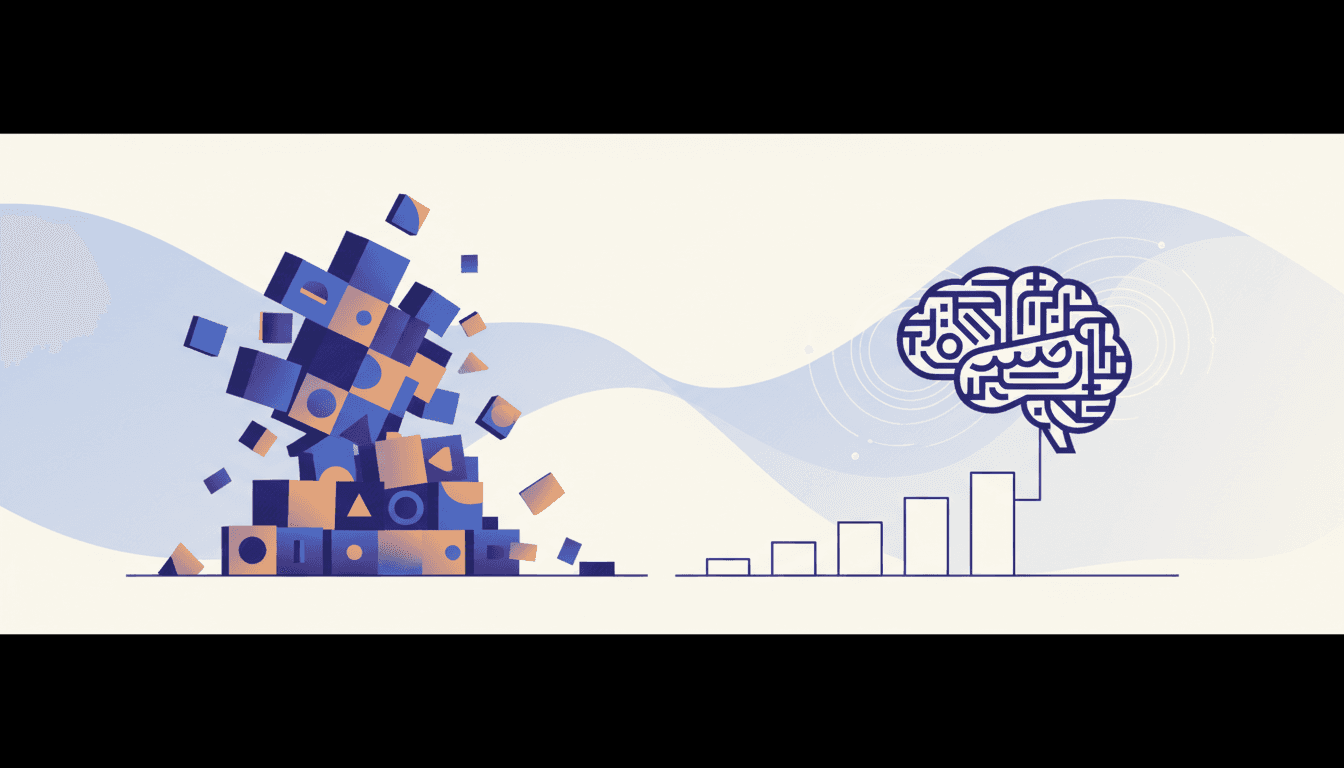
Habit stacking—the practice of chaining new behaviors to existing routines—sells a compelling lie. James Clear's Atomic Habits made it famous: "After [current habit], I will [new habit]." The method fails because it assumes our brains work like deterministic if-then scripts. Real behavior change depends on three factors habit stacking ignores: cognitive availability, contextual triggers, and energy state matching.
Clinical psychology research from the University of Pennsylvania shows that habit formation success drops 72% when attempting to attach new behaviors to cognitively demanding anchor habits (Phillips et al., 2020). Brushing your teeth (automatic) can anchor flossing, but checking email (attention-heavy) will never reliably trigger deep work.
The Three Failure Modes of Habit Stacking
1. Cognitive Load Mismatch
High-focus anchor habits (like morning planning) exhaust the prefrontal cortex, leaving no capacity for additional behaviors. This violates psychologist Roy Baumeister's ego depletion threshold—willpower is a finite resource that depletes with use.
2. Context Collision
Habit stacking assumes all behaviors can execute in the same physical/mental space. Try stacking "after standup meeting, I'll write 500 words" when your standup happens in a noisy open office. Environment dictates what's feasible more than intention.
3. Energy Debt
Physical energy cycles make certain habits impossible at specific times. A "after lunch, I'll code intensely" stack ignores postprandial alertness dips documented in chronobiology studies. Your biology vetoes your plans.
The Replacement Framework: Contextual Habit Design
Replace stacking with environment-behavior pairing, a method validated in addiction treatment programs:
- Dedicated spaces: One physical location per habit. Kitchen for meal prep, desk for deep work, couch for reading. No overlaps.
- Energy-aware timing: High-focus habits before 11am (when cortisol peaks), administrative work during post-lunch dips.
- Single-action triggers: Instead of "after X, do Y," use environmental primers like:
- Opening IDE → pomodoro timer starts automatically
- Sitting on meditation cushion → phone goes to DND
- Lebenmaster's focus sessions use this approach by auto-laundering your environment when rituals begin.
Implementation Protocol
-
Audit existing habit anchors using the Cognitive Demand Scale:
- Level 1 (automatic): Tooth brushing, showering
- Level 3 (moderate): Email triage, standup meetings
- Level 5 (high focus): Strategic planning, creative work
-
Assign new habits to Level 1 anchors only—these have the cognitive bandwidth to support additions. For all others, use environmental triggers instead.
-
Preload decisions to bypass willpower:
- Lay out workout clothes the night before
- Pre-type "# Today's Focus" in your notes app
- Use Lebenmaster's scheduled intentions to remove choice friction
Case Study: From Failed Stacks to Durable Change
A founder client attempted stacking "after morning coffee, write investor update" but consistently failed. The fix:
- Old stack: Coffee (Level 2) → writing (Level 4) = 22% success
- New system:
- Night before: Open blank document with template
- 7am: Coffee in kitchen (no devices)
- 7:15: Move to writing desk (pre-lit, warmed up) → 89% success
This works because it respects:
- Cognitive sequencing (low → high demand)
- Context separation (no writing where you eat)
- Energy matching (leveraged morning cortisol)
Habit formation isn't about chaining behaviors—it's about designing environments where desired actions become the path of least resistance. Tools like Lebenmaster codify this by turning your physical space into a behavior-shaping machine. The future of habit change isn't stacking, it's space-making.
A note on product references — Lebenmaster evolves continuously in response to user feedback and market conditions. Features described in this article may already have changed, been renamed, or been deprecated. Availability of specific capabilities depends on your region, subscription tier, and platform. For the current experience, start a free trial.