The Lebenmaster Blog
Essays on productivity systems, deep work, habit design, and the psychology of getting hard things done.
Search
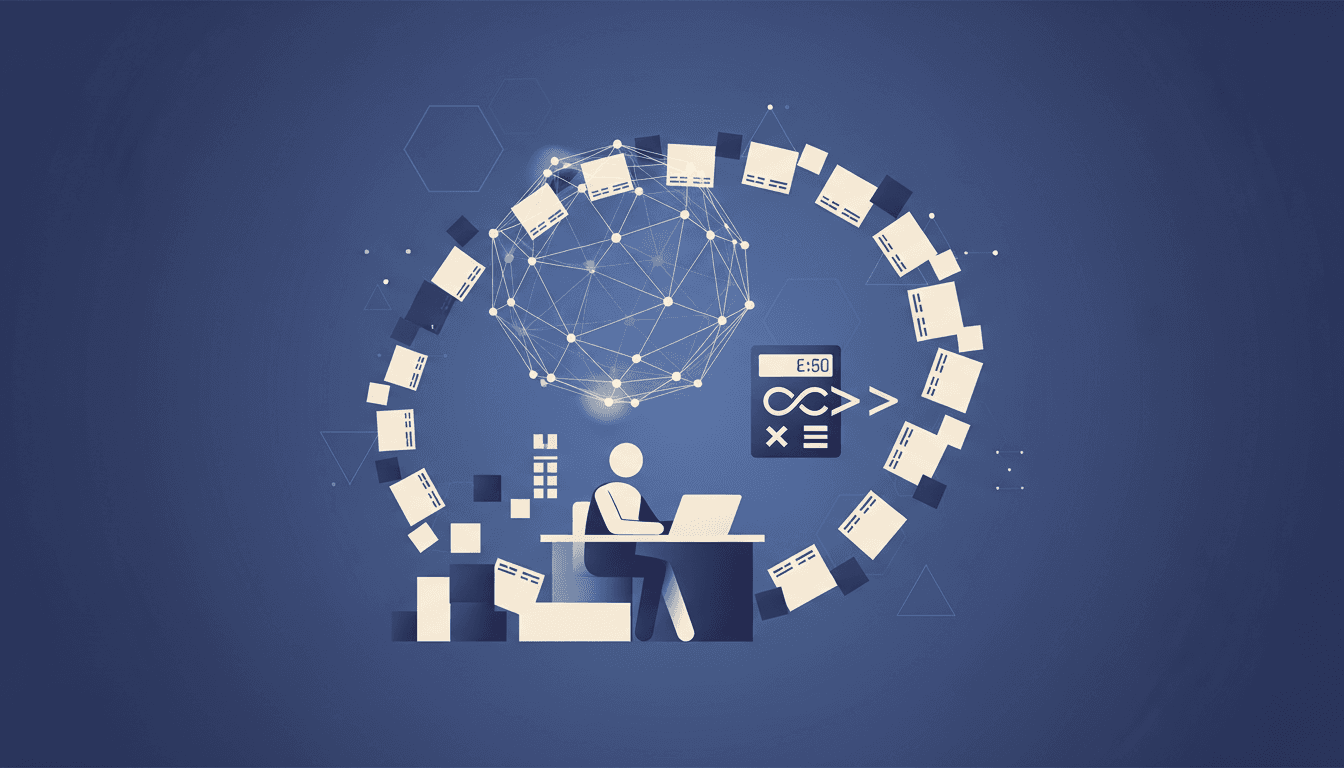
Can One Developer Build a Search Engine? The Hard Math of Crawling a Million Pages
Building a search engine alone isn't about code—it's about infrastructure math. Here's what crawling a million pages actually demands from a solo developer.

The Small Web Survival Guide: How to Find What Big Search Buries
The best independent blogs and niche sites are buried under commercial content in big search engines. Here's how to find them anyway.
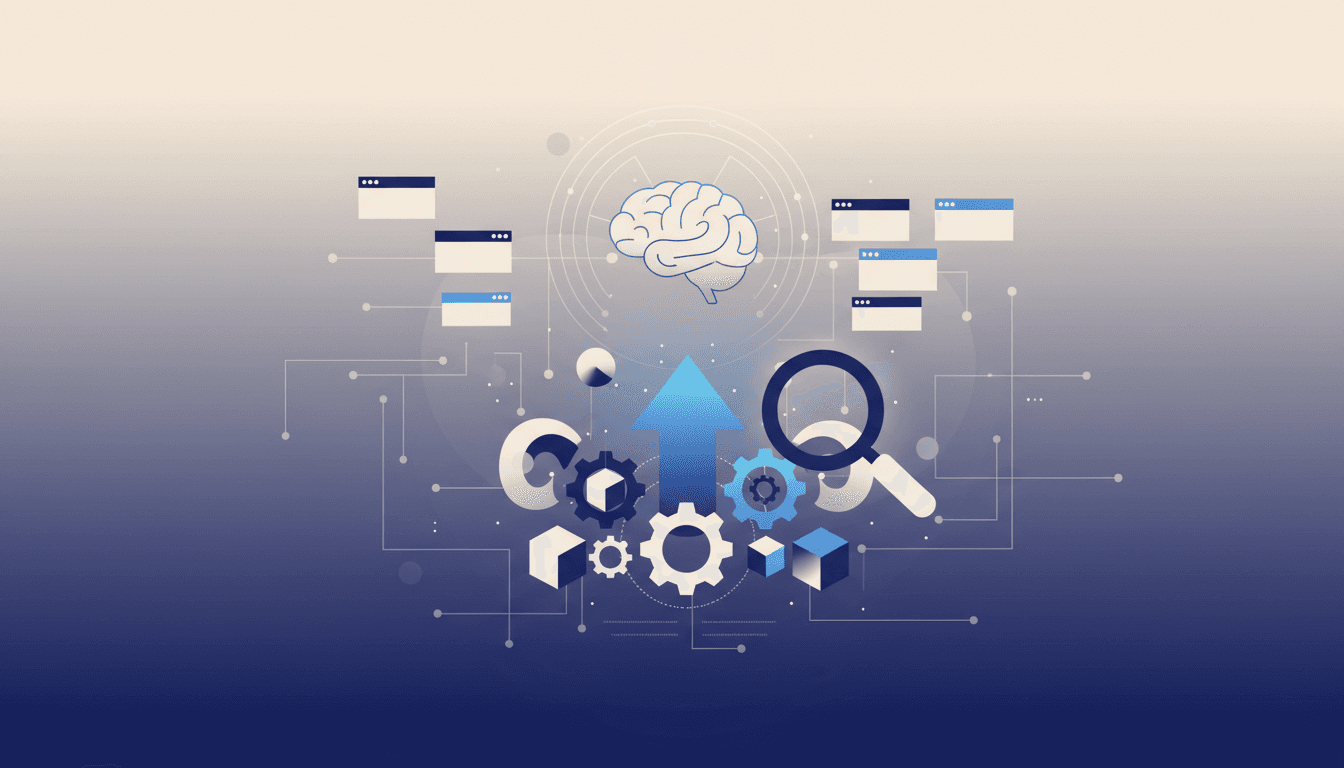
How Search Ranking Works: The Algorithm Without the Mysticism
Search ranking isn't magic—it's a measurable process with documented components. Here's how algorithms actually determine what appears first, stripped of SEO myths.
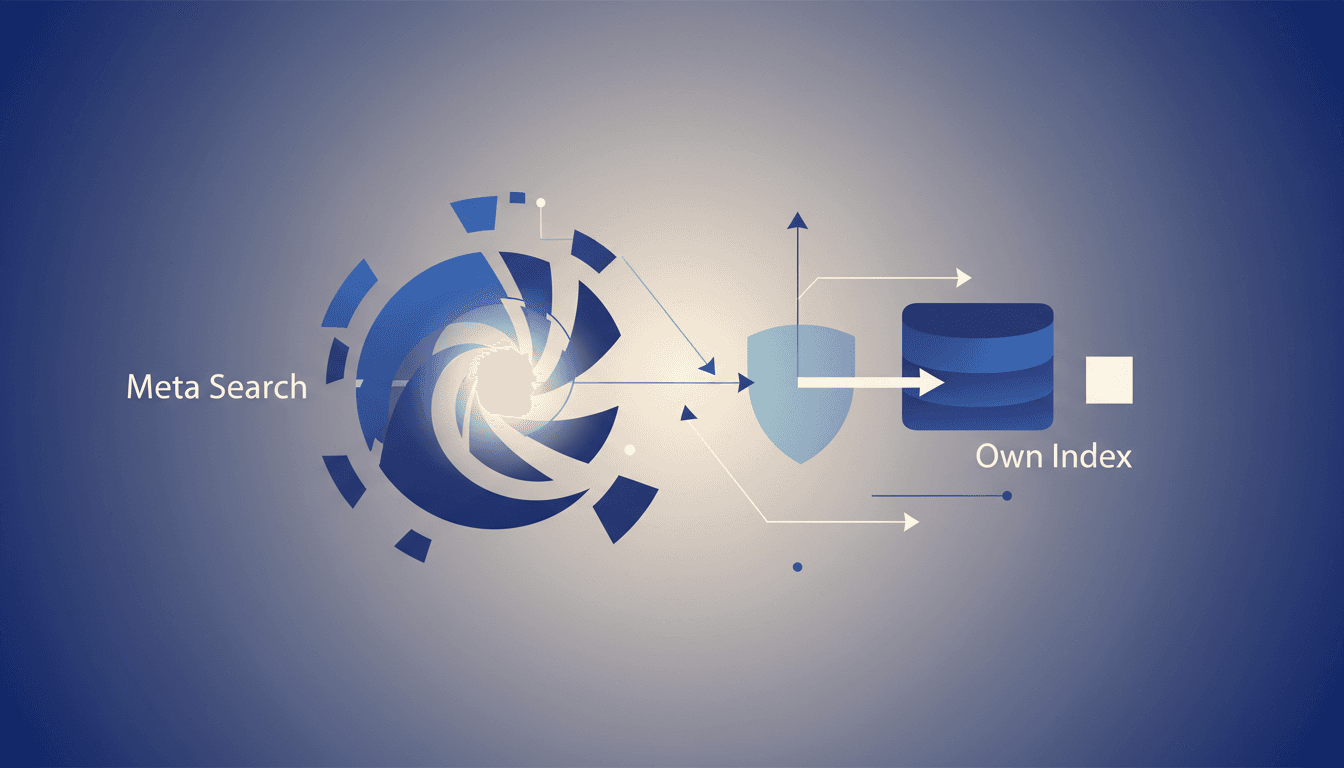
Meta Search vs Own Index: The Hidden Battle for Your Search Results
Meta search engines and own index search engines operate differently under the hood. Learn how these architectures impact your search results and why it matters for finding better answers.
Google Alternatives Worth Trying When the First Page Is All Ads
When Google's first page is dominated by ads, it's time to explore alternatives. Here are search engines that prioritize results over revenue, offering cleaner, more focused experiences.

How to Find Independent Blogs Big Search Engines Bury
Major search engines often bury independent blogs and sites in their results. Here’s how to find hidden gems on the small web and escape the filter bubble.
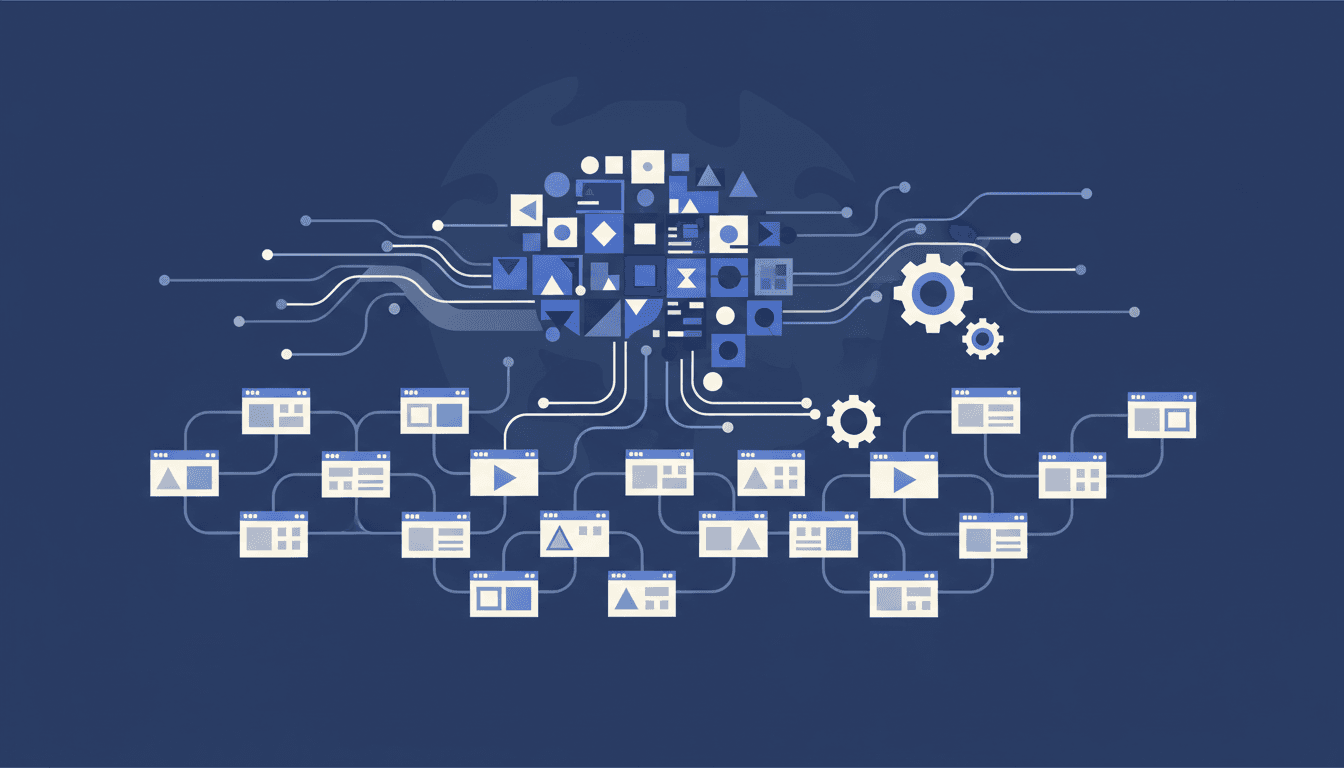
What a Web Crawler Actually Does All Day: The Hidden Workflow
Web crawlers are the unsung heroes of search engines, tirelessly scanning the web to build indexes. This article breaks down their daily workflow, from URL discovery to content parsing, and explains why their efficiency matters.

The State of Independent Search Engines in 2026: Who Runs Their Own Index?
In 2026, the search engine landscape is shifting. Learn which independent players run their own index, escaping Google's shadow and offering real alternatives for better, unbiased search results.
One Developer, One Million Pages: The Real Math of Building a Search Engine
Building a search engine alone isn't about genius—it's about crawling math. Here's what happens when one developer tries to index a million pages without Google's infrastructure.

Meta Search vs Own Index: The Hidden Battle for Your Search Results
Most search engines don't crawl the web—they recycle results from bigger players. Independent indexes like Parsek operate differently. Here's why it matters.
Why Spanish-Language Search Results Are Worse Than English
Spanish-language search results often fail to match the quality of their English counterparts. This article examines the technical and cultural reasons behind this gap and what it means for Spanish speakers.
Beyond Google Ads: Independent Search Engines Worth Trying
Google's first page is often cluttered with ads and SEO-optimized spam. Discover independent search engines that run their own index and deliver cleaner, more focused results.
When Google Fails: Search Engines That Actually Respect Your Time
The first page of Google is now a wasteland of ads and SEO-optimized listicles. Here are search engines that still prioritize information over advertising revenue.
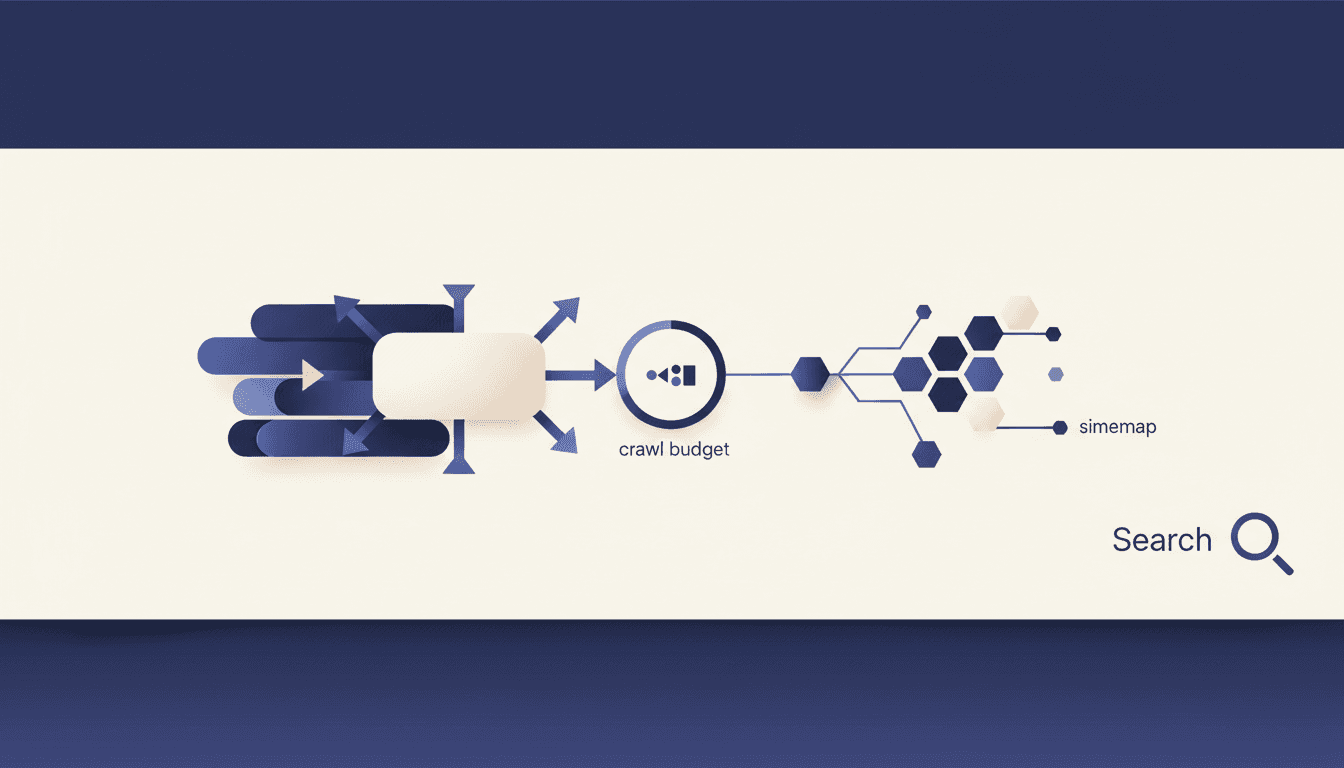
Robots.txt, Sitemaps and Crawl Budgets Explained in Plain Language
Robots.txt, sitemaps, and crawl budgets are fundamental to how search engines interact with websites. This guide explains these concepts in simple terms, helping you optimize your site for better indexing and visibility.
Why Your Search Results Are Identical: Escaping the Filter Bubble
Modern search engines share crawlers, indexes, and ranking signals—creating identical results. The fix requires abandoning the centralized web.
Founder Playbook

The Productivity Stack That Will Dominate Solo Founders in 2026
In 2026, solo founders will adopt a lean, AI-enhanced productivity stack that prioritizes automation, deep work, and minimal context switching. Here's what it looks like.
How to Get Your New Site Indexed Without Waiting for Luck
New sites often vanish in search obscurity. Here's how to bypass the waiting game with direct crawler triggers, structured data, and unconventional submission paths.
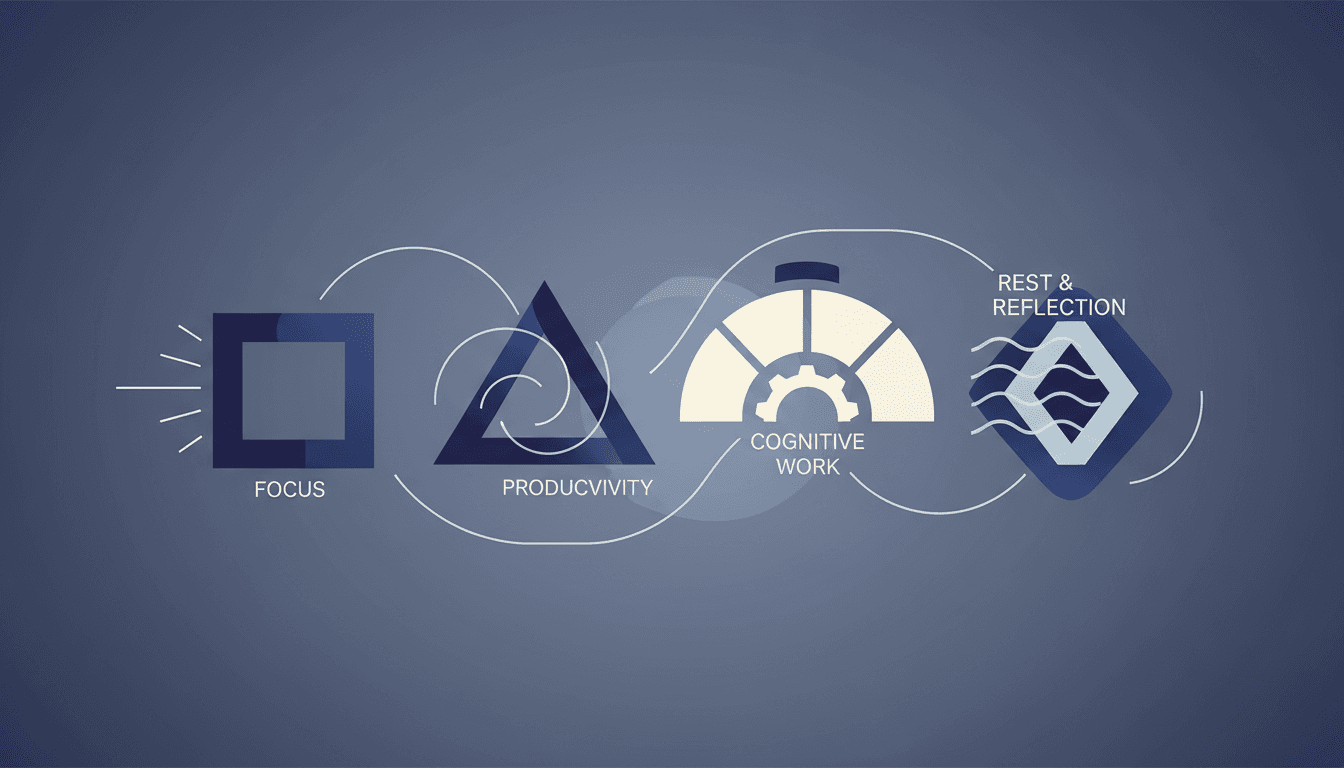
Solo Founder Time Management: The Four Non-Negotiable Modes
Every solo founder's week must include four distinct time modes—not just execution. Neuroscience and founder case studies reveal the non-negotiable ratios.
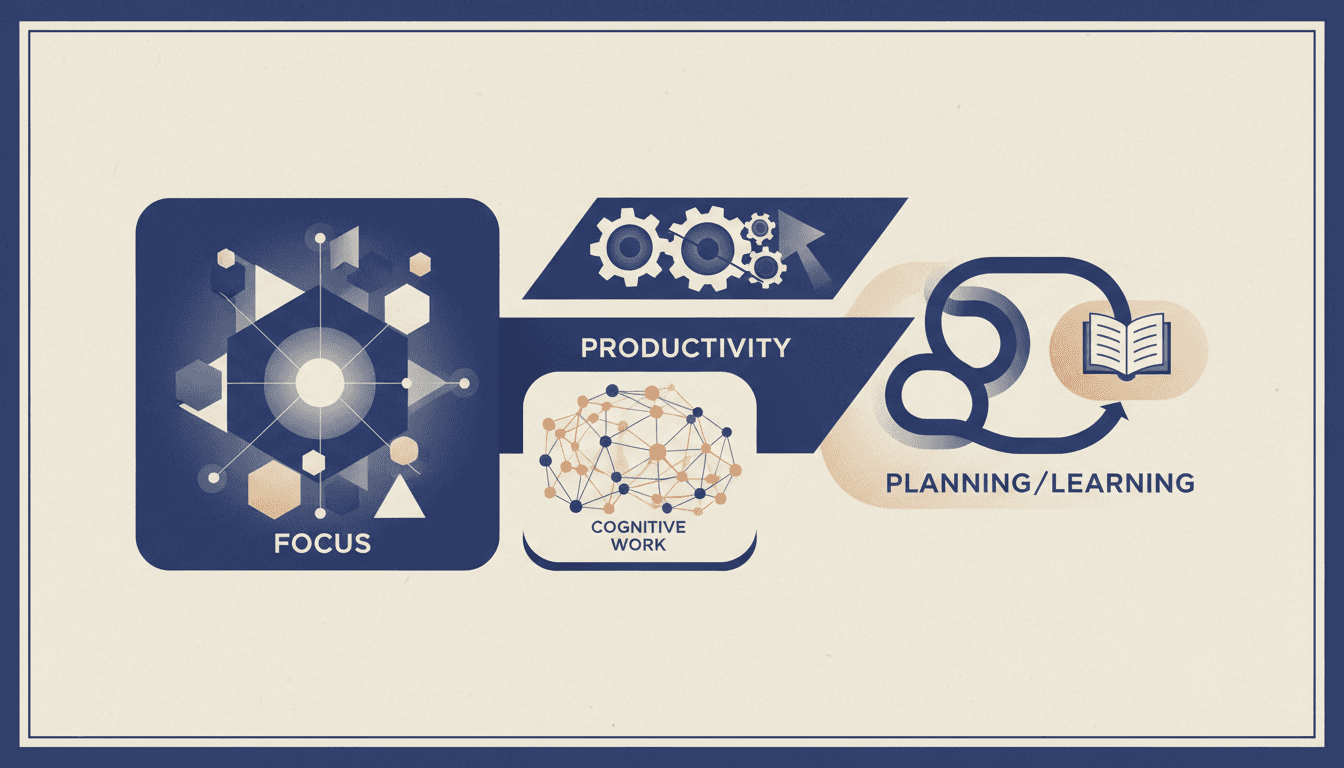
Solo Founder Time Management: The Four Modes of a Founder's Week
Solo founders juggle multiple roles daily. This article breaks down the four essential modes of a founder's week—execution, strategy, maintenance, and recovery—and how to balance them for peak productivity.
Solo Founder Time Management: The Four Modes You Must Master
Founders switch between execution, strategy, learning, and recovery modes daily. Most mix them poorly. This is the tactical system to separate and optimize each.
How to Get Your New Site Discovered by Search Engines Fast
Getting a new site indexed by search engines is critical for traffic. This guide covers actionable steps to ensure your site gets crawled and indexed fast.

Why Solo Developers Should Build Infrastructure the Hard Way
Building your own search index, database, or crawler teaches skills no SaaS tutorial can match. Here's why solo developers should embrace infrastructure work.

The Solo Founder Productivity Stack That Wins in 2026
In 2026, solo founders need a productivity stack that maximizes focus and minimizes distractions. Here's the essential toolkit for founders who want to win.

Solo Developers Learn More Building Infrastructure the Hard Way
When you build your own search index, database, or crawler as a solo developer, the pain teaches architectural lessons no tutorial can replicate.
Founder OS: The Operating System Behind a $10K MRR Product
Scaling to $10K MRR as a solo founder requires more than just hard work—it demands a Founder OS. This guide breaks down the workflows, tools, and mindset shifts that make it possible.
Founder OS: The Workflow Behind Scaling to $10K MRR
Scaling to $10K MRR as a solo founder requires more than just a good product. It demands a Founder OS—a workflow optimized for efficiency, focus, and relentless execution. Here’s how to build it.
Founder OS: The Bare Minimum Stack for $10K MRR
Most founder workflows are cargo-culted from scaled startups. Here's what actually moves the needle for solo founders at $10K MRR and beyond.
Reading the Web on Purpose: A Weekly Routine for Founders
The web is a firehose of information, but founders need focus. This tactical guide shows how to build a weekly reading routine that cuts through noise and drives decisions.

Solo Founder Time Management: The Four Modes of a Founder's Week
Solo founders juggle multiple roles daily. To thrive, you must master four distinct modes of time management: execution, strategy, learning, and recovery. Here’s how to allocate your week effectively.
Research
The Search Habits of People Who Always Find the Answer
What separates those who always find answers online from those who get stuck? Learn the search habits, tools, and mental models that make the difference.
The Five-Minute Fact Check: A Protocol for Verifying Claims Before You Repeat Them
Most false claims spread because no one took five minutes to check. Here's a battle-tested protocol to verify facts before you repeat them, using primary sources and independent tools.

How to Find Primary Sources Instead of the Tenth Rewrite
In a world of endless rewrites and recycled content, finding primary sources is a critical skill. This guide teaches you how to bypass secondary summaries and access original research directly.
Search Operators That Cut an Hour of Research Time Per Week
Most knowledge workers waste hours on inefficient searches. These 7 operators, backed by productivity research, reclaim time without new tools.
How Search Operators Save Knowledge Workers an Hour Every Week
Knowledge workers waste hours every week on inefficient searches. Mastering advanced search operators can save you an hour weekly by delivering precise results faster.
How the Best Searchers Always Find Answers: The Hidden Habits
Most people search poorly. The top 1% use structured queries, source verification, and index-awareness to find answers in half the time. Here's how it works.
How to Search for Technical Answers Faster Than Asking a Chatbot
Chatbots are slow for technical debugging. This guide shows you how to search smarter, using advanced techniques and independent tools like Parsek to get precise answers fast.
Systems

Notion vs Todoist vs Lebenmaster: The Task Tracker Showdown
When it comes to daily task tracking, Notion, Todoist, and Lebenmaster each offer unique strengths. This comparison dives into their features, workflows, and suitability for different productivity needs.
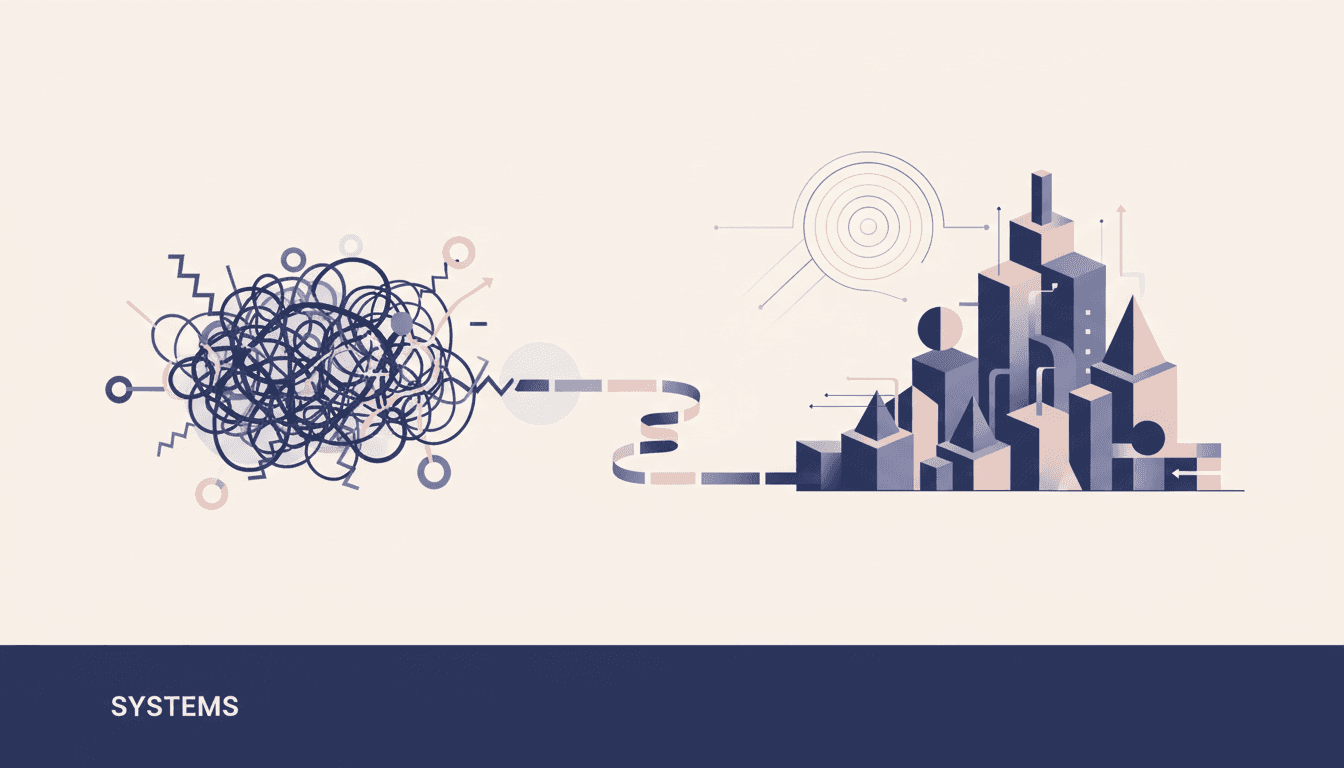
The Willpower Trap: Why Environment Design Becomes Your True Focus Engine
Willpower is a cognitive tax that drains under pressure. The solution isn't more discipline—it's designing physical and digital spaces where deep work becomes the path of least resistance.

Eisenhower Matrix vs Ivy Lee Method: Which Task Prioritization Wins?
The Eisenhower Matrix and Ivy Lee Method are both popular task prioritization frameworks, but they take radically different approaches. This article breaks down the strengths, weaknesses, and real-world effectiveness of each system.
Building a Second Brain Without Becoming a Note-Taking Addict
Building a second brain can supercharge your productivity, but it’s easy to fall into the trap of endlessly collecting notes. Here’s how to build a PKM system that delivers actionable outputs, not just digital clutter.

Task Tracker Showdown: Notion Flexibility vs Todoist Speed vs Lebenmaster Focus
Notion offers customization at the cost of friction, Todoist optimizes for speed but lacks depth, while Lebenmaster enforces the focus constraints that actually produce results.
Deep Work
Search as a Deep Work Skill: Why One Good Query Beats Ten Lazy Ones
Effective search is a deep work skill. A single well-crafted query delivers better results faster than multiple lazy attempts. This article explains how to refine your search habits for maximum efficiency.

The Research Sprint: Answer a Hard Question in Ninety Minutes
Most research fails because it lacks time constraints. The research sprint method forces clarity by treating inquiry like a focused coding session—bounded, intense, and output-driven.
Time Blocking Like Cal Newport: The Missing Tactical Layer
Cal Newport's time-blocking method gets reduced to calendar Tetris, but the real system hinges on three operational layers most guides ignore. Here's how to execute it.
ADHD Deep Work: The Neuroscience of Focus Without Medication
ADHD brains can achieve deep work—just not the way neurotypical productivity advice suggests. Here's the neuroscience-backed playbook for focus without fighting your wiring.
The Pomodoro Technique for Engineers: What Needs Fixing
The Pomodoro Technique is popular, but its 25-minute intervals don’t align with the deep focus required for engineering. Learn how to adapt it for programming.
Deep Work vs Shallow Work: The Exact Ratio That Predicts Output
Cal Newport’s deep work philosophy is incomplete without the right ratio of focus to maintenance tasks. Here’s the exact balance that predicts measurable output gains.
Focus
The Hidden Screen Time Trick to Block iPhone Apps Without Deleting Them
iOS has a buried Screen Time feature that lets you block apps temporarily while keeping them installed. Here's how to jail apps without jailbreaking your phone.
App Jailing: How to Block iPhone Apps Without Losing Access
For knowledge workers who need to block time-wasting apps but still want access later, iOS Screen Time offers a jailbreak-free solution most users overlook.

Intentional Search vs Doomscrolling: Two Ways to Use the Same Browser
The same browser can be a tool for deep work or a gateway to distraction. This article explores the difference between intentional search and doomscrolling, offering actionable tips to shift towards purposeful browsing.
How to Block Apps on iPhone Without Deleting Them: A Screen Time Hack
Struggling with app distractions? Discover how to block iPhone apps temporarily without deleting them, using Apple's built-in Screen Time settings for enhanced focus.
Dopamine Detox Debunked: What Neuroscience Says About Real Focus Resets
The dopamine detox trend misunderstands neuroscience. Real attention resets require deliberate protocols, not social media abstinence. Here's what works.
The 90-Minute Focus Block: How Ultradian Rhythms Dictate Peak Performance
Your brain operates in 90-minute ultradian cycles. Ignoring them reduces output by 40%. Here's how to structure deep work sessions that align with your biology.
The Dopamine Detox Lie: What Neuroscience Says About Real Attention Resets
The viral dopamine detox trend misunderstands how attention works. Real focus restoration requires strategic depletion, not arbitrary deprivation. Neuroscience shows a better path.
App Jailing: How to Block iPhone Apps Without Deleting Them
Blocking distracting apps on your iPhone doesn’t require deletion. Use Screen Time hacks and third-party tools to jail apps without losing access permanently.
The Dopamine Detox Myth: What Actually Resets Your Attention
Dopamine detoxes are trending, but they lack scientific backing. Discover the real neuroscience behind attention reset and actionable strategies to reclaim your focus.

The 90-Minute Work Cycle: How Ultradian Rhythms Dictate Peak Focus
Your brain operates in 90-minute ultradian cycles. Fighting this rhythm with arbitrary timers like Pomodoro sabotages deep work. Here's the science-backed alternative.
Habits
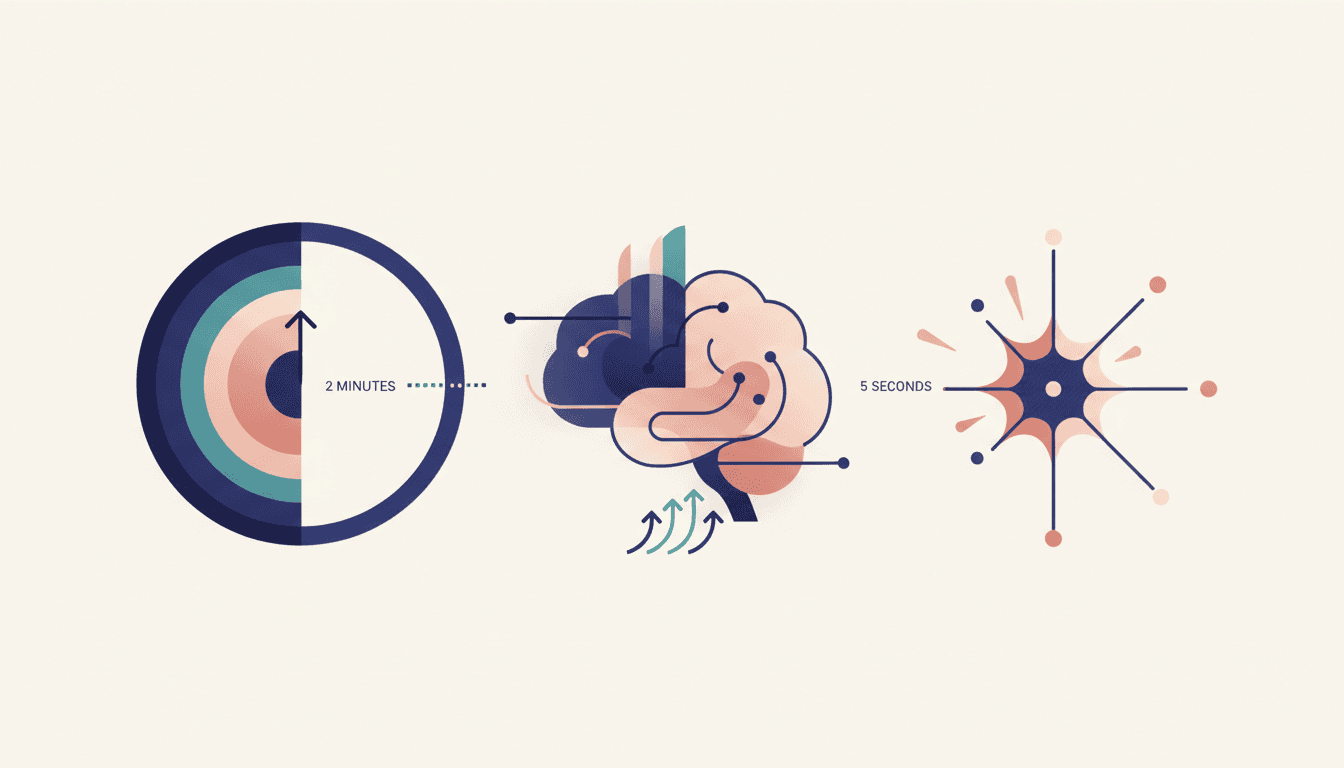
The 2-Minute Rule vs the 5-Second Rule: Which Actually Works?
Two popular methods claim to help you start tasks effortlessly: James Clear's 2-minute rule and Mel Robbins' 5-second rule. We analyze the neuroscience and real-world effectiveness of each.
Why Your Morning Routine is Probably Cargo Cult Productivity
The 5 AM club, cold showers, and journaling are often cargo cult productivity—mimicking rituals without the substance. Real morning leverage comes from aligning with chronobiology and cognitive science.
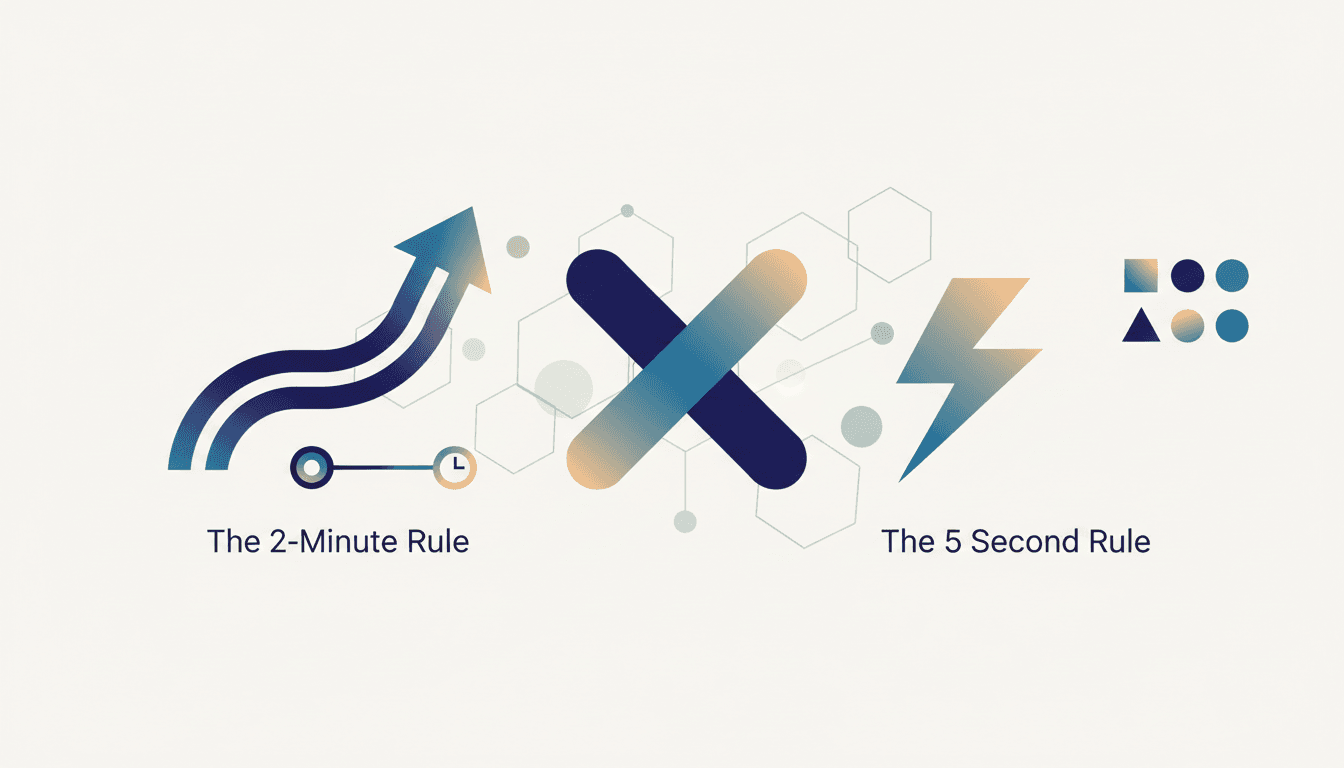
The 2-Minute Rule vs the 5-Second Rule: Which Wins for Getting Started?
Both the 2-minute rule and the 5-second rule promise to help you overcome procrastination. But which one actually works? We review the evidence and reveal the winner for getting started.
General

How to Be More Productive: Unlocking Your Full Potential
Discover effective strategies to boost your productivity and achieve your goals. Learn time management techniques, prioritization skills, and tools to unlock your full potential.

The Best Study Software to Boost Your Learning
Explore the best study software tools to enhance your learning experience. From note-taking apps to productivity trackers, find the perfect digital companions for your educational journey.
How to Be a Better Leader: Essential Skills and Tools
Learn how to leverage technology to become a more effective leader. Discover essential software tools that can help you manage teams, streamline communication, and drive organizational success.