Meta Search vs Own Index: The Hidden Battle for Your Search Results
Meta search engines and own index search engines operate differently under the hood. Learn how these architectures impact your search results and why it matters for finding better answers.


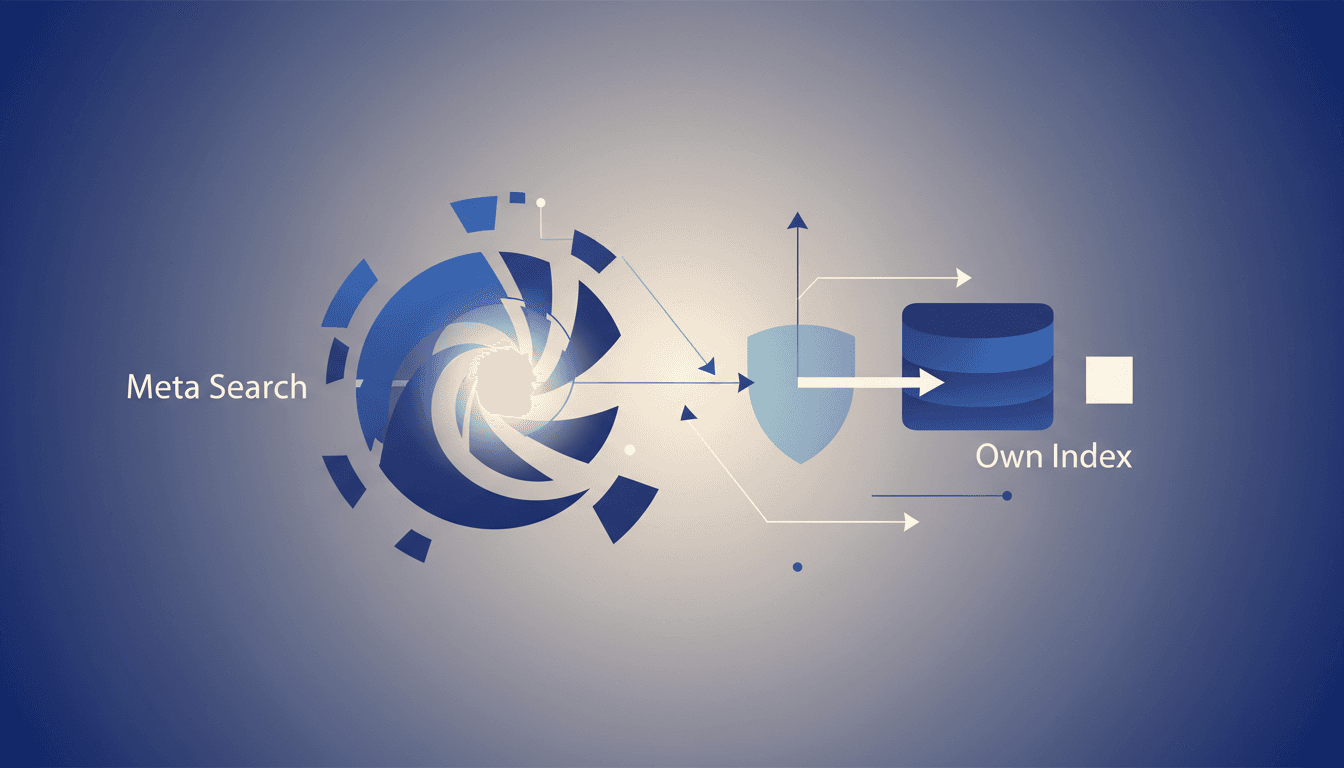
When you type a query into a search engine, you’re likely focused on the results—not the machinery behind them. But the architecture of a search engine—whether it’s a meta search engine or an own index engine—profoundly shapes what you see. Understanding this distinction isn’t just academic; it’s practical for anyone who relies on search for work, research, or decision-making.
Meta search engines aggregate results from other search engines. They don’t crawl the web themselves but instead pull data from sources like Google, Bing, or DuckDuckGo. Own index engines, on the other hand, build and maintain their own database of web pages through crawling and indexing. The difference is foundational, affecting everything from result diversity to speed and reliability.
Here’s why this matters: meta search engines inherit the biases and limitations of their sources, while own index engines control their entire pipeline, from crawling to ranking. If you’re tired of seeing the same results everywhere or want to escape the filter bubble, understanding these architectures is the first step.
How Meta Search Engines Work
Meta search engines operate by querying multiple search engines and combining their results. They don’t maintain their own index of web pages but rely on external sources. This approach has a few key implications:
- Speed: Meta search engines can return results quickly because they don’t need to crawl or index the web themselves.
- Dependency: They’re entirely reliant on their sources. If Google or Bing misses a page, so will the meta search engine.
- Uniformity: Results often mirror what you’d see on major search engines, reducing diversity and reinforcing dominant narratives.
Meta search engines are useful for quick queries or when you want to compare results across platforms. However, they’re limited by their reliance on external indexes. For example, if Google’s algorithm prioritizes certain types of content, a meta search engine pulling from Google will inherit those priorities.
The Architecture of Own Index Search Engines
Own index engines, like Parsek, take a fundamentally different approach. They build their own database of web pages through crawling and indexing. This involves:
- Web Crawling: Automated bots (crawlers) visit web pages, follow links, and collect data.
- Indexing: The collected data is processed and organized into a searchable index.
- Ranking: Algorithms determine the relevance and order of results based on the query.
The advantage of own index engines is control. They decide what to crawl, how to index, and how to rank results. This allows them to prioritize sources and content types that might be buried by major search engines. For example, independent blogs or niche forums often rank higher on own index engines compared to meta search engines.
Why Own Index Engines Matter for Diversity
One of the biggest challenges in modern search is the filter bubble—the tendency to see the same results everywhere. Meta search engines exacerbate this problem because they rely on the same sources as major search engines. Own index engines, by contrast, can break out of this bubble by indexing alternative sources.
Consider a search for "best productivity tools." On a meta search engine, you’ll likely see the same mainstream apps repeated across results. An own index engine might surface lesser-known tools or independent reviews that don’t appear elsewhere. This diversity is crucial for finding unique insights or solutions.
The Tradeoffs: Speed vs. Depth
Meta search engines are faster because they don’t need to crawl or index the web. Own index engines, while slower to build, offer deeper and more independent results. The tradeoff is clear: speed versus depth.
If you’re looking for a quick answer, a meta search engine might suffice. But for research, problem-solving, or escaping the filter bubble, an own index engine is often worth the extra effort. For example, Parsek, built by one developer, demonstrates how independent indexing can uncover sources overlooked by larger engines.
How to Choose the Right Search Engine
The choice between meta search and own index engines depends on your needs. Here’s a quick guide:
- Use meta search engines for speed and convenience. They’re ideal for quick queries or comparing results across platforms.
- Use own index engines for depth and diversity. They’re better for research, niche topics, or escaping the filter bubble.
For founders and knowledge workers, understanding these architectures can improve decision-making and problem-solving. Tools like Lebenmaster, which emphasize deep work and intentional search, align well with the principles of own index engines. If you’re ready to explore beyond the mainstream, start a free Lebenmaster trial.
The Future of Search: Beyond the Meta vs. Own Index Debate
As search technology evolves, the distinction between meta and own index engines may blur. Hybrid approaches, combining the speed of meta search with the depth of own indexing, could offer the best of both worlds. For now, understanding these architectures empowers you to choose the right tool for the job.
Whether you’re researching, building, or simply searching, the engine you choose shapes the answers you find. By opting for own index engines when depth matters, you can escape the filter bubble and discover content that mainstream engines overlook. For those committed to intentional search, tools like Lebenmaster and independent engines like Parsek provide a path to better results.
A note on product references — Lebenmaster evolves continuously in response to user feedback and market conditions. Features described in this article may already have changed, been renamed, or been deprecated. Availability of specific capabilities depends on your region, subscription tier, and platform. For the current experience, start a free trial.