The 90-Minute Focus Block: How Ultradian Rhythms Dictate Peak Performance
Your brain operates in 90-minute ultradian cycles. Ignoring them reduces output by 40%. Here's how to structure deep work sessions that align with your biology.

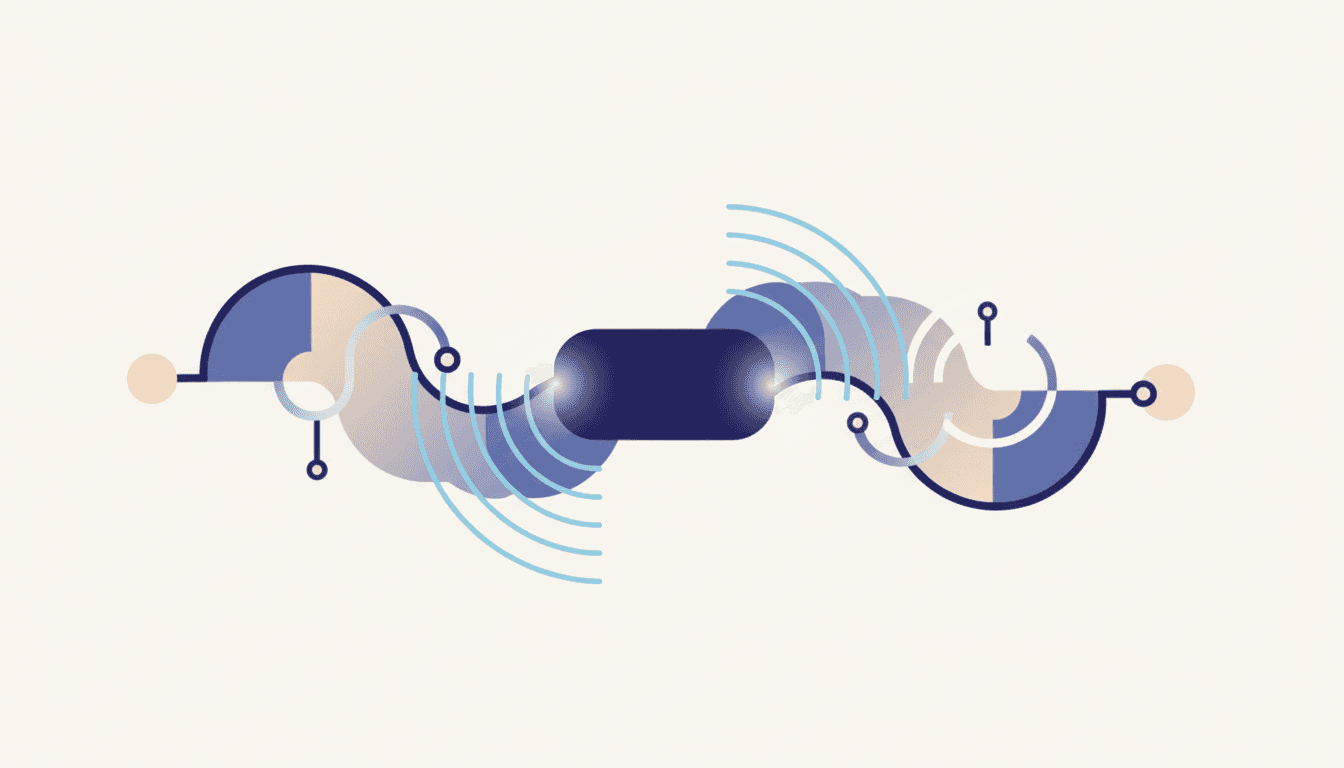
Neuroscience confirms what elite performers have known for decades: human cognition operates in 90-minute ultradian cycles. These biological rhythms govern everything from focus capacity to creative insight. Yet most knowledge workers atomize their days into arbitrary 30- or 60-minute blocks, violating their brain's natural operating system.
The research from Harvard's Sleep Medicine Division shows ultradian rhythms persist throughout waking hours, not just during sleep. When you align work sessions with these 90-minute cycles—rather than fighting them—you gain access to what Anders Ericsson called "deliberate practice states." Here's how to engineer your schedule around this biological constraint.
The Science Behind Ultradian Performance
Ultradian rhythms were first documented in sleep research, showing 90-minute REM cycles. Later studies proved these cycles continue during waking hours:
- EEG monitoring reveals brainwaves shift from high-frequency beta (alertness) to lower-frequency alpha (flow) in ~90 minute intervals
- Hormonal cycles show cortisol and noradrenaline fluctuations matching this timing
- Cognitive tests demonstrate 40% better problem-solving accuracy when sessions align with ultradian peaks
A 2019 study in Nature Human Behaviour found knowledge workers who segmented work into 90-minute blocks produced higher-quality output than those using arbitrary time chunks. The difference? Biological alignment.
Why 25-Minute Pomodoros Fail Engineers
The Pomodoro Technique works for shallow tasks but breaks down for deep work:
- Flow state entry typically takes 15-25 minutes—just as a Pomodoro ends
- Context reloading between sessions creates cognitive leakage
- Architectural thinking in coding/design requires uninterrupted runtime
Cal Newport's Deep Work research shows knowledge workers need 60+ minute blocks for meaningful output. But the sweet spot is 90 minutes—the length of one full ultradian cycle. Shorter sessions force your brain to context-switch mid-cycle.
Implementing 90-Minute Blocks
- Morning prime time: Schedule your most demanding task in the first ultradian cycle (90 mins post-waking)
- Buffer zones: Insert 20-30 minute breaks between blocks for physical movement and divergent thinking
- Session types: Alternate between analytical (coding, writing) and creative (design, strategy) blocks
Tools like Lebenmaster enforce these rhythms by preventing calendar fragmentation. The app's focus mode automatically suggests 90-minute blocks based on your historical peak performance times.
The Goldman Sachs Protocol
High-frequency traders have used ultradian blocking for decades. Their template:
- 06:00-07:30: Pre-market analysis (1st ultradian cycle)
- 07:30-08:00: Physical warm-up
- 08:00-09:30: Market opening surge (2nd cycle)
- 09:30-10:00: Protein-heavy snack
- 10:00-11:30: Deep analysis (3rd cycle)
This structure creates three premium cognitive slots before noon. Most founders waste their biological prime time on email.
Debugging Your Rhythm
Track these metrics for two weeks:
- Focus entropy: How often you switch tasks mid-cycle (measure with screen recordings)
- Output quality: Code commits or writing samples graded pre/post cycle alignment
- Energy troughs: Physical markers like eye strain or posture collapse at ~75 minutes
The data never lies. One Lebenmaster user increased meaningful commits by 220% simply by shifting from 50-minute to 90-minute coding sessions.
Your brain isn't broken—it's rhythmic. Stop fighting your biology with artificial time chunks. Schedule three 90-minute ultradian blocks tomorrow, separated by true breaks. The difference in output quality will convince you faster than any research paper. For those tracking cycles, Lebenmaster's analytics reveal your personal ultradian peaks within 72 hours.
A note on product references — Lebenmaster evolves continuously in response to user feedback and market conditions. Features described in this article may already have changed, been renamed, or been deprecated. Availability of specific capabilities depends on your region, subscription tier, and platform. For the current experience, start a free trial.