Building a Second Brain Without Becoming a Note-Taking Addict
Building a second brain can supercharge your productivity, but it’s easy to fall into the trap of endlessly collecting notes. Here’s how to build a PKM system that delivers actionable outputs, not just digital clutter.

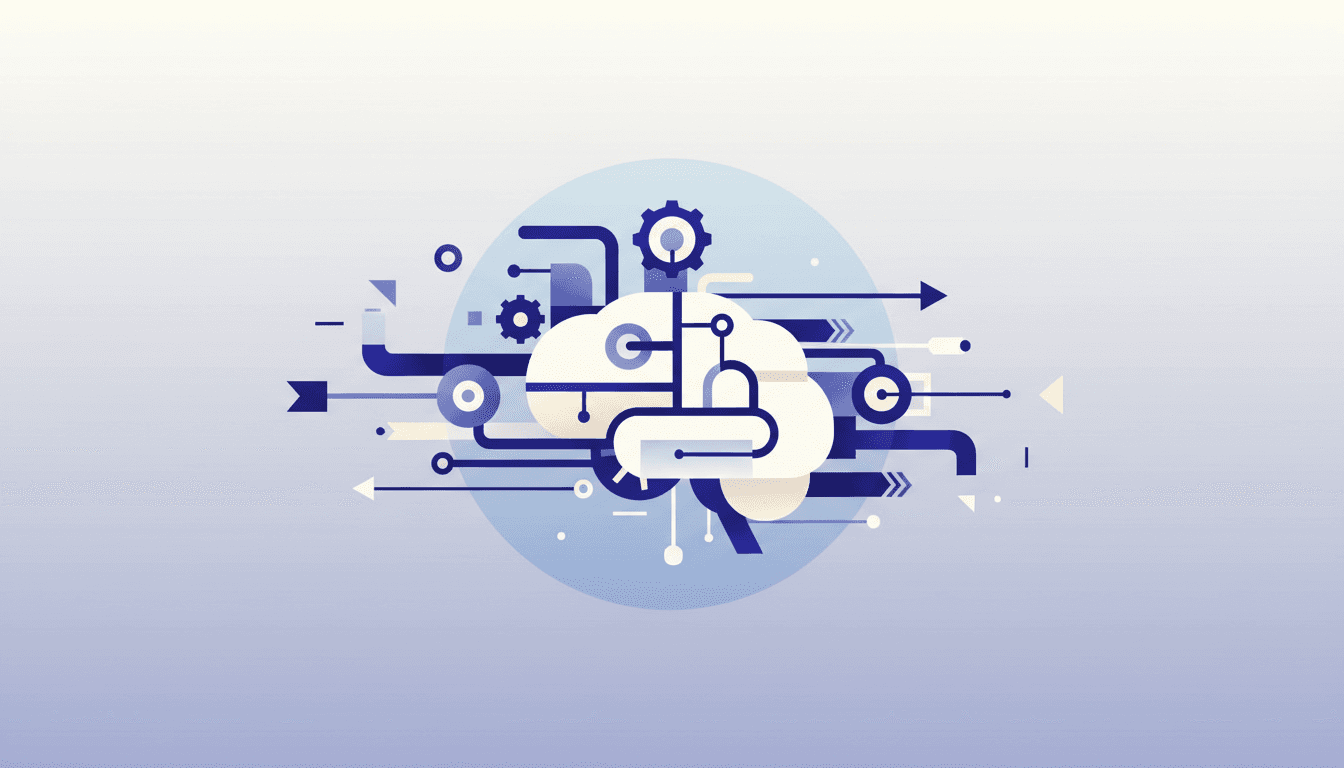
Building a second brain is one of the most powerful productivity frameworks for founders, engineers, and knowledge workers. The idea, popularized by Tiago Forte, is simple: offload your mental clutter into an external system so you can focus on deep work. But here’s the catch—it’s dangerously easy to become a note-taking addict, endlessly collecting information without ever acting on it.
The solution isn’t to abandon the second brain concept. It’s to build one that prioritizes actionable outputs over digital hoarding. Here’s how to do it.
The Note-Taking Trap: Why Collecting Isn’t Enough
Most people approach their second brain as a digital landfill. They save every article, jot down every idea, and categorize every stray thought. But without a clear purpose, this system becomes a graveyard of unfinished projects. Research from the University of California, Irvine, shows that information overload reduces productivity by 25%. When your second brain is cluttered, it’s worse than having no system at all.
The problem isn’t the act of note-taking—it’s the lack of actionable intent. Notes are useless unless they lead to decisions, outputs, or insights. As Cal Newport argues in Deep Work, “Clutter is the enemy of focus.” Your second brain should be a tool for focus, not a distraction.
The Actionable Outputs Framework
To avoid the note-taking trap, structure your second brain around actionable outputs. This means every note, idea, or piece of information should have a clear path to becoming something useful. Here’s how:
- Define Your Outputs: What are you building? A blog post, a product feature, a presentation? Start with the end goal in mind.
- Collect Strategically: Only save information that directly contributes to your outputs. Use tools like Lebenmaster to track your progress and stay focused.
- Process Regularly: Set aside time weekly to review and refine your notes. Turn raw ideas into actionable steps.
This framework ensures your second brain is a production engine, not a storage unit.
The Minimalist PKM Stack
You don’t need a dozen apps to build a second brain. In fact, the more tools you use, the harder it is to stay consistent. Here’s a minimalist PKM stack that works:
- Capture Tool: A simple note-taking app like Obsidian or Notion. Avoid feature overload—stick to basic text and tagging.
- Task Manager: Use a task manager like Todoist or Lebenmaster to link notes to actionable tasks. This bridges the gap between ideas and execution.
- Calendar: Block time for deep work and note processing. Tools like Google Calendar or Fantastical work well.
Keep your stack lean. The goal is to reduce friction, not add complexity.
The Weekly Review: Turning Notes Into Action
The weekly review is the cornerstone of an effective second brain. Here’s how to make it actionable:
- Review Notes: Go through your notes and identify actionable insights. Delete or archive anything irrelevant.
- Plan Tasks: Turn insights into tasks. For example, a note about a new marketing strategy becomes a task to draft an email campaign.
- Prioritize: Use a framework like Eisenhower’s Urgent-Important Matrix to decide what to tackle next.
This process ensures your second brain stays lean and focused. As David Allen, creator of Getting Things Done, says, “Your mind is for having ideas, not holding them.”
A Tactical Example: Building a Blog Post
Let’s say you’re writing a blog post about independent search engines. Here’s how your second brain would work:
- Capture: Save articles, quotes, and ideas in Obsidian under a “Search Engines” tag.
- Process: During your weekly review, organize these notes into sections (e.g., “Current Landscape,” “Challenges,” “Solutions”).
- Act: Turn these sections into a blog post outline. Use Lebenmaster to block time for writing and track your progress.
This approach ensures your second brain delivers measurable outputs, not just digital clutter.
Closing Thoughts
Building a second brain is a powerful way to boost productivity, but it’s only effective if you focus on actionable outputs. Avoid the note-taking trap by defining your goals, using a minimalist PKM stack, and committing to a weekly review. Tools like Lebenmaster can help you stay on track and turn ideas into results. Remember, your second brain should be a tool for focus, not a distraction.
A note on product references — Lebenmaster evolves continuously in response to user feedback and market conditions. Features described in this article may already have changed, been renamed, or been deprecated. Availability of specific capabilities depends on your region, subscription tier, and platform. For the current experience, start a free trial.